

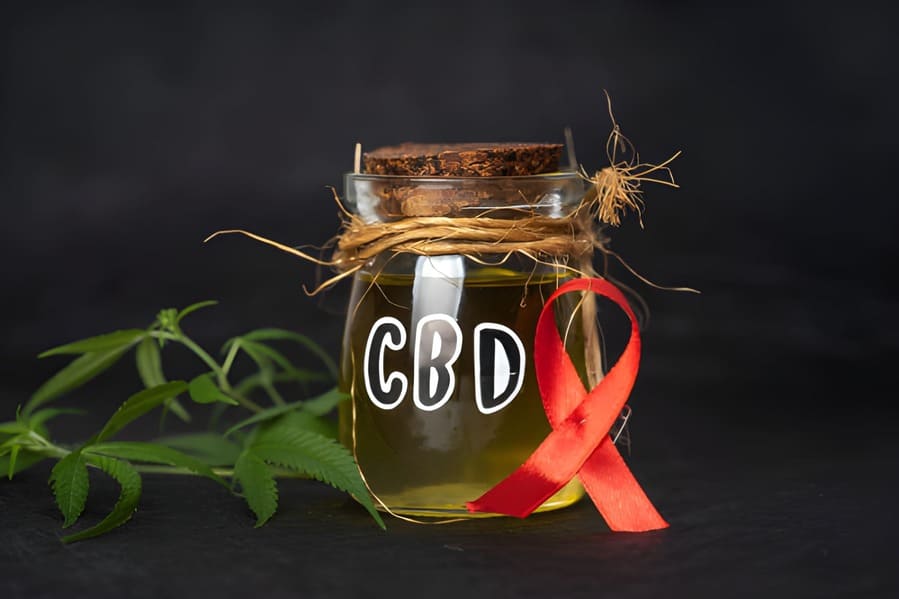
So, you’re curious about cbd oil for to treat prostate cancer. It’s a topic that’s popping up more and more, and honestly, it’s kind of confusing. Lots of people are talking about it, but what’s actually going on with the research? It seems like there’s a lot of early-stage stuff happening, and while it’s not a proven cure, some folks are looking into whether it can help with symptoms or side effects. Let’s break down what we know so far, keeping in mind this is all pretty new territory.
Key Takeaways
- Research into using cbd oil for to treat prostate cancer is still in its very early stages, with most studies done in labs on cells or in animals, not yet on people.
- CBD, unlike THC, doesn’t cause a ‘high’ and is being studied for potential anti-cancer effects and for helping with symptoms and side effects of cancer treatment.
- Some lab studies suggest CBD might slow down the growth of prostate cancer cells, potentially by making them die off or stopping them from spreading.
- A potential benefit of CBD for prostate cancer patients could be helping to manage pain, anxiety, insomnia, and nausea, which are common issues during treatment.
- It’s important to know that CBD products aren’t regulated by the FDA, so their quality and the amount of CBD in them can vary, and it’s always best to talk to your doctor before trying them.
Understanding CBD And Its Potential In Prostate Cancer Research
What Is Cannabidiol (CBD)?
Cannabidiol, or CBD for short, is one of the many compounds found in the cannabis plant. Unlike its more famous cousin, THC, CBD doesn’t give you that “high” feeling. People often turn to CBD for its potential to help with relaxation or to manage ongoing pain. It’s one of the active ingredients that researchers are looking at more closely, especially when it comes to health and wellness.
CBD Versus THC: Key Differences
It’s easy to get CBD and THC mixed up, but they’re quite different. Think of cannabis as a big family of compounds, and CBD and THC are two siblings. THC is the one that causes the psychoactive effects, the “high” people associate with marijuana. CBD, on the other hand, is non-psychoactive. This means it doesn’t alter your state of mind. This distinction is pretty important when we talk about potential medical uses, as CBD can be explored for therapeutic benefits without the mind-altering side effects.
Here’s a quick rundown:
- CBD: Non-psychoactive, often associated with relaxation and pain relief.
- THC: Psychoactive, responsible for the “high,” can also have medicinal properties.
The Role Of Cannabinoids In The Body
Our bodies actually have a system called the endocannabinoid system, and it has receptors that interact with compounds like CBD and THC. These are called cannabinoid receptors. There are two main types: CB1 and CB2. These receptors are found throughout the body, influencing things like mood, sleep, and pain. Interestingly, some research suggests that prostate cancer cells might have more of these receptors compared to healthy cells. This has sparked a lot of interest in how cannabinoids might affect cancer cells. You can find more information on ongoing studies in this area by looking at registered studies related to cannabis.
The body’s own system, the endocannabinoid system, plays a role in how cannabinoids interact with our cells. Understanding this interaction is key to exploring CBD’s potential.
Early Research Into CBD’s Effects On Prostate Cancer Cells
Okay, so before we get too far ahead of ourselves, it’s important to talk about what the science is actually saying right now. When we look at CBD and prostate cancer, most of the research is still happening in labs, not with people. Think of it like this: scientists are taking prostate cancer cells and putting them in dishes to see what happens when they add CBD. It’s a starting point, and some of the early findings are pretty interesting.
Laboratory Studies On Prostate Cancer Cell Division
Researchers have been looking at how CBD affects prostate cancer cells when they’re just dividing and multiplying. In some of these in vitro (that’s lab dish) studies, CBD has shown it can actually slow down or even stop prostate cancer cells from dividing. It’s not a cure, obviously, but seeing it interfere with that basic cancer process is a big deal for early-stage research. They’ve tested it on different types of prostate cancer cells, including ones that are sensitive to hormones and ones that aren’t.
Here’s a quick look at what some of those lab results showed:
- Inhibition of Cell Viability: CBD was found to reduce the number of viable cancer cells. Different doses were tested, and the concentration needed varied depending on the cell type.
- Impact on Cell Count: When cells were treated with a specific dose of CBD, the total number of cells decreased, suggesting it might be hindering proliferation.
- Sensitivity Differences: Interestingly, some studies noted that hormone-independent cancer cells seemed more sensitive to CBD’s effects than hormone-dependent ones.
CBD’s Impact On Cancer Cell Receptors
Your body has these things called cannabinoid receptors, mainly CB1 and CB2. Cancer cells, especially prostate cancer cells, seem to have more of these receptors on them compared to healthy cells. This is why scientists are so curious about how compounds like CBD might interact with them. The idea is that if CBD can latch onto or influence these receptors on cancer cells, it might be able to affect the cancer’s growth or behavior. It’s a complex system, and they’re still trying to figure out exactly which receptors CBD interacts with in prostate cancer cells, and what happens when it does. Some research suggests CBD might work even without directly binding to the well-known CB1 or CB2 receptors, which is another layer to the puzzle. You can find more information about the cannabinoid system and its role in bodily functions on this page.
Mechanisms Of CBD Action In Cancer Cells
So, how exactly is CBD doing what it’s doing in these lab studies? Researchers are digging into the ‘how.’ They’ve observed that CBD seems to mess with the cell cycle – that’s the process cells go through to grow and divide. It looks like it might reduce the levels of certain proteins that are really important for cell cycle progression, like cyclins and CDKs. Think of it like jamming the gears of a machine that’s supposed to be constantly running. There’s also evidence that CBD can affect a pathway called AKT phosphorylation, which is involved in cell growth and survival. By interfering with these internal cell processes, CBD appears to put the brakes on cancer cell activity. It’s a complicated dance of molecules, and scientists are working hard to map it all out. CBD Oil in Vulvar Cancer Treatment
The current lab research suggests that CBD has the potential to interfere with key processes that cancer cells need to survive and multiply. While these findings are from controlled experiments and not yet proven in humans, they provide a scientific basis for further investigation into CBD’s role in prostate cancer research.
Investigating CBD’s Therapeutic Potential For Prostate Cancer
So, what exactly is CBD doing in prostate cancer cells? Researchers are digging into how this compound might actually fight the disease. It’s not just about stopping cancer cells from growing, but also about making them self-destruct and preventing them from spreading.
CBD’s Influence On Cancer Cell Proliferation
Studies have shown that CBD can really put the brakes on prostate cancer cell growth. In lab settings, when prostate cancer cell lines were treated with CBD, their numbers significantly dropped. This effect was seen across different types of prostate cancer cells, including those that are sensitive to hormones and those that aren’t. It seems like CBD interferes with the cell cycle, essentially stopping the cells from dividing and multiplying. The exact CBD dose for prostate cancer cells can vary, but studies show effects even at low micromolar concentrations.
Apoptosis Induction By CBD In Cancer Cells
Beyond just slowing down growth, CBD appears to trigger cancer cells to undergo programmed cell death, a process called apoptosis. This is a big deal because it means CBD might not just inhibit cancer but actively eliminate it. Research indicates that CBD can increase the production of certain proteins that signal cell death and activate pathways that lead to the demise of cancer cells. It’s like telling the cancer cells to pack it up and go.
CBD’s Effect On Cancer Cell Migration And Invasion
One of the scariest parts of cancer is its ability to spread to other parts of the body, a process called metastasis. Preliminary research suggests that CBD could play a role in preventing this. Studies have observed that CBD can reduce the invasiveness of highly metastatic prostate cancer cells. It seems to do this by affecting certain cellular mechanisms that allow cancer cells to move and invade healthy tissues. This is a really promising area, as stopping metastasis is key to better outcomes for patients. The potential for cannabinoids in prostate cancer treatment is definitely something to watch.
The way CBD interacts with cancer cells is complex, involving multiple pathways that could disrupt cancer’s ability to grow, survive, and spread. While these findings are from lab studies, they point towards CBD as a potential complementary therapy.
- Inhibits cell proliferation: Slows down the rate at which cancer cells divide.
- Induces apoptosis: Triggers cancer cells to self-destruct.
- Reduces invasiveness: Makes it harder for cancer cells to spread to new areas.
It’s important to remember that this research is still in its early stages. More studies are needed to fully understand how CBD works and if it can be effectively used in humans for prostate cancer. The exact CBD dose for prostate cancer is also an area that requires more investigation.
Potential Benefits Of CBD For Prostate Cancer Patients
While research into CBD as a direct treatment for prostate cancer is still in its early stages, there’s growing interest in its potential to help manage symptoms and side effects associated with the disease and its treatments. Many people explore options like CBD prostate gummies hoping for relief.
Alleviating Treatment Side Effects
Cancer treatments, including radiation, hormone therapy, and chemotherapy, can bring about a host of unpleasant side effects. Some early studies and anecdotal reports suggest that CBD might offer some relief. It’s often used by people looking to manage:
- Nausea and vomiting
- Sleep disturbances
- Anxiety and stress
- Changes in mood
These are common issues that can really impact a person’s quality of life during treatment. While not a cure, finding ways to ease these burdens is a significant part of patient care.
Managing Cancer-Related Symptoms
Beyond treatment side effects, CBD may also help with symptoms directly related to prostate cancer itself, especially in more advanced stages. Some of the symptoms that people report finding relief from include:
- Loss of appetite
- Fatigue
- General discomfort
It’s important to remember that these are complex conditions, and CBD is being looked at as a complementary approach, not a standalone solution. The way cannabinoids interact with the body’s systems is a key area of ongoing study [6274].
CBD’s Role In Pain Management
Pain is a common concern for many cancer patients, and prostate cancer is no exception. CBD has gained attention for its potential pain-relieving properties. Some research indicates that it might help reduce chronic pain, and in some cases, it could potentially work alongside other pain medications to offer better relief. This could be particularly helpful for individuals experiencing pain related to the cancer itself or from nerve damage (neuropathy) that can sometimes occur as a side effect of treatment.
The exploration of CBD for symptom management in prostate cancer patients is driven by a desire to improve overall well-being during a challenging time. While scientific evidence is still developing, the potential for relief from common side effects and cancer-related discomforts makes it a subject of continued interest and investigation.
Current Status And Future Directions For CBD Research
Where CBD Research Stands Today
So, where are we with CBD and prostate cancer research? Honestly, it’s still pretty early days. Most of what we know comes from lab studies, like looking at prostate cancer cells in petri dishes. These studies have shown some interesting things, like CBD potentially slowing down how fast these cells divide. A 2023 study, for example, found that CBD really seemed to put the brakes on prostate cancer cell division in the lab. Researchers are also looking into how CBD might interact with receptors on cancer cells, which is a big deal because these receptors seem to be more common on prostate cancer cells than on healthy ones. It’s exciting because CBD doesn’t cause that ‘high’ feeling like THC does, making it a more appealing option for many. The real hope is that CBD could eventually be used alongside traditional treatments.
Challenges In CBD Research And Regulation
It’s not all smooth sailing, though. One of the biggest hurdles is making sure the CBD products people are actually using are pure. Some studies have found all sorts of unwanted stuff in CBD products, from chemicals that mimic THC to heavy metals and even mold. That’s a serious concern, especially for people dealing with cancer. Plus, the legal side of things is still a bit of a maze. While hemp-derived CBD is legal federally, its use for medical purposes isn’t always straightforward, and state laws can vary quite a bit. This regulatory gray area makes it tough for consistent research and for patients to know what they’re getting.
It’s really important for anyone considering CBD to talk to their doctor. Because CBD can affect how other medications work, including chemotherapy, it’s not something to just try without professional guidance. Being open with your healthcare provider is key to staying safe.
The Future Of CBD As A Complementary Therapy
Looking ahead, the big goal is to move beyond lab studies and into human clinical trials. This is where we’ll really learn if CBD can safely and effectively help people with prostate cancer. Researchers are exploring its potential to help with things like pain, anxiety, and nausea, which are common issues for patients undergoing treatment. The idea isn’t necessarily to replace conventional treatments, but to offer a way to manage symptoms and improve quality of life. Think of it as a potential complementary therapy. If future research pans out, CBD could become a more recognized part of a holistic approach to prostate cancer care, offering a gentler option for symptom relief. You can find more information on cannabinoids in cancer treatment.
Here’s a quick look at what researchers are investigating:
- Inhibiting Cancer Cell Growth: Lab studies suggest CBD can slow down the division of prostate cancer cells.
- Managing Treatment Side Effects: Potential to help with pain, nausea, and anxiety associated with cancer and its treatments.
- Understanding Mechanisms: Figuring out exactly how CBD works in the body and on cancer cells is a major focus.
- Ensuring Product Safety: Developing standards to guarantee the purity and consistency of CBD products is vital.
Wrapping Up: What We Know About CBD and Prostate Cancer
So, where does this leave us with CBD and prostate cancer? The research is still pretty new, mostly happening in labs with cells and sometimes in animals. While some of these early studies show promise, suggesting CBD might slow down cancer cell growth or even help with treatment side effects like pain or nausea, it’s not a proven cure. We don’t have solid evidence yet that it works the same way in people. It’s important to remember that standard treatments like surgery, hormone therapy, radiation, and chemotherapy are the established ways to tackle prostate cancer. If you’re thinking about trying CBD, it’s a good idea to chat with your doctor first. They can help you understand the potential benefits and risks, especially since CBD products aren’t strictly regulated and can vary a lot.
Frequently Asked Questions
What exactly is CBD and how is it different from THC?
CBD, or cannabidiol, is a natural substance found in cannabis plants. It’s one of many active compounds, but unlike THC (tetrahydrocannabinol), CBD doesn’t cause a ‘high.’ THC is the part that makes you feel intoxicated. CBD, on the other hand, is often used to help people relax or feel sleepy, and it doesn’t have those mind-altering effects.
Has CBD been proven to treat prostate cancer?
Not yet. While some early studies in labs and on animals show that CBD might slow down the growth of prostate cancer cells or even cause them to die, this research is still in its very early stages. There’s no solid proof that CBD can be used as a main treatment for prostate cancer in people right now.
Can CBD help with the side effects of prostate cancer treatment?
This is where research shows more promise. Some studies suggest that CBD might help ease common problems that come with cancer or its treatments. This could include things like pain, anxiety, trouble sleeping, and feeling sick to your stomach. It’s thought that CBD might help make these symptoms more bearable.
How does CBD seem to affect cancer cells in lab studies?
In lab experiments, scientists have seen that CBD can do a few things to prostate cancer cells. It appears to stop them from multiplying so quickly. It might also encourage cancer cells to self-destruct, a process called apoptosis. Plus, some research indicates it could make it harder for cancer cells to spread to other parts of the body.
Are there any risks to using CBD for prostate cancer?
Because CBD products aren’t strictly controlled by the FDA, it can be hard to know exactly what you’re getting. Some products might have more or less CBD than stated, and some might even contain THC. It’s also important to remember that CBD can interact with other medications you might be taking. Always talk to your doctor before trying it.
What’s next for CBD research in prostate cancer?
Scientists are continuing to study CBD’s effects on cancer cells and are looking for ways it could potentially help patients. While it’s not a cure, the hope is that CBD might become a useful extra treatment to help manage symptoms and side effects, making the journey through cancer treatment a bit easier for patients.