

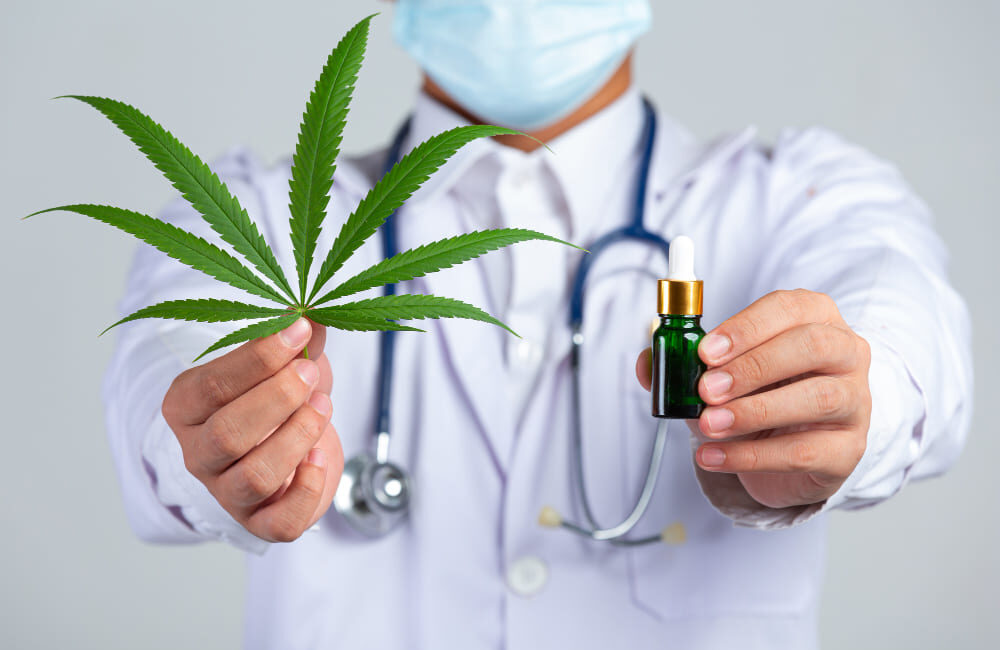
You might have heard about cannabis and its effects, but what about the raw plant itself? Before heat gets involved, cannabis has compounds like THCA and CBDA. These aren’t the same as the THC and CBD you might know. They exist in the plant before being heated, and they come with their own set of potential benefits. We’re talking about the nutritional benefits of THCA and CBDA in raw leaves here, exploring what makes them stand out and how you might use them. It’s a different way to look at cannabis, focusing on what the plant offers in its natural state.
Key Takeaways
- THCA and CBDA are natural compounds found in raw cannabis leaves and flowers, offering potential health perks without the ‘high’.
- Unlike THC and CBD, these acidic forms don’t cause intoxication because they haven’t been heated.
- Raw cannabis is packed with nutrients beyond cannabinoids, including amino acids, vitamins, and fiber.
- You can add raw cannabis to your diet through juicing or by tossing it into salads and smoothies.
- Understanding the difference between raw (acidic) and heated (active) cannabinoids helps in choosing them for specific wellness goals.
Understanding Cannabinoid Acids in Raw Cannabis
When we talk about cannabis, most people immediately think of THC and its well-known effects. But what if I told you that the plant in its raw, unheated form holds a different kind of potential? That’s where cannabinoid acids like THCA and CBDA come into play. These compounds are the precursors to THC and CBD, respectively, and they exist in the plant before any heat is applied.
The Nature of THCA and CBDA
Think of THCA and CBDA as the original versions of THC and CBD. They have a unique molecular structure, featuring an extra chain of atoms called a carboxyl group. This difference is significant because it means they don’t interact with our body’s cannabinoid receptors in the same way as their heated counterparts. Crucially, THCA and CBDA are non-psychoactive, meaning they won’t cause the ‘high’ associated with THC. This distinction is a big deal for people looking for therapeutic benefits without altering their mental state.
Raw Cannabis: A Nutrient-Dense Source
Raw cannabis isn’t just about THCA and CBDA. The plant itself is packed with a variety of nutrients. While getting exact nutritional data can be tricky due to variations in strains and growing conditions, we know that the leaves and flowering tops are particularly rich in beneficial compounds. Beyond the cannabinoids, you’ll find things like chlorophyll, terpenes, and other phytonutrients that contribute to the plant’s overall profile. The seeds, for instance, are a good source of protein and omega-3 fatty acids.
Decarboxylation: The Transformation Process
So, what exactly is decarboxylation? It’s a chemical reaction that happens when cannabis is exposed to heat. This process removes that extra carboxyl group from THCA and CBDA, converting them into THC and CBD. You can think of it like baking a cake – the heat changes the ingredients. This transformation is why smoking or vaping cannabis results in different effects than consuming it raw. While decarboxylation activates THC and CBD, it also means you lose the unique properties of the original cannabinoid acids. Understanding this process helps explain why raw cannabis offers a different set of potential benefits, and why some people prefer to keep their cannabis in its natural, unheated state for specific wellness goals.
Therapeutic Potential of THCA
Let’s talk about THCA, or Tetrahydrocannabinolic acid. It’s the raw, unheated form of THC, and it’s found naturally in cannabis plants. The cool thing about THCA is that it doesn’t get you high. That’s because its chemical structure is a bit different from THC, with an extra group that stops it from binding to the brain receptors that cause that “stoned” feeling. So, if you’re interested in what cannabis might do for your health without the buzz, THCA is definitely worth a look.
Anti-Inflammatory and Analgesic Properties
One of the most talked-about benefits of THCA is its potential to help with inflammation and pain. Think about conditions like arthritis or other issues where your joints feel achy and swollen. Early research suggests THCA might step in and reduce that inflammation. Some people report feeling a difference in their joint pain after using it regularly, especially in larger joints like hips and knees. It seems to work by interfering with certain chemical compounds in the body that trigger inflammatory responses. This means it could offer relief without the psychoactive effects, which is a big deal for many.
Neuroprotective Qualities
Beyond pain and inflammation, THCA is also being studied for its potential to protect your brain. Neurodegenerative diseases, like Parkinson’s or Alzheimer’s, are a major concern for many as they age. The idea is that THCA might help shield brain cells from damage. While this is still an area with a lot more research needed, the possibility of a natural compound offering some brain protection is pretty exciting. It’s a complex area, but the initial findings are promising for future therapeutic approaches.
Alleviating Nausea and Vomiting
Another area where THCA shows promise is in helping with nausea and vomiting. This is particularly relevant for people undergoing treatments like chemotherapy, which often come with these unpleasant side effects. Studies, including some done on mice, have shown that THCA can be effective in reducing nausea. It might even help stimulate appetite, which can be a problem for those feeling sick. So, for managing these symptoms, raw cannabis might offer a gentler option compared to other methods. If you’re curious about how cannabinoids interact, understanding the entourage effect can be helpful.
It’s important to remember that most of the research on THCA is still in its early stages. While the results are encouraging, human studies are limited. Therefore, it’s difficult to pinpoint exact risks or establish clear therapeutic protocols at this time. Always consult with a healthcare professional before trying any new supplement or treatment.
Exploring the Benefits of CBDA
CBDA, or cannabidiolic acid, is another fascinating cannabinoid acid found in raw cannabis leaves. It’s the direct precursor to CBD, meaning that when cannabis is heated, CBDA transforms into CBD. But in its raw form, CBDA has its own set of unique properties and potential health advantages that are really starting to get attention. What are the benefits of THCA and CBDA? Well, CBDA is definitely a big part of that answer.
Synergy with CBD: The Entourage Effect
While CBDA itself offers benefits, it’s also worth noting how it interacts with other compounds in the cannabis plant. The idea of the “entourage effect” suggests that cannabinoids, terpenes, and flavonoids work together to produce a greater therapeutic outcome than any single compound could on its own. CBDA might play a role in this synergy, potentially influencing how CBD and other cannabinoids are absorbed or how they interact with our body’s systems. It’s like a team effort, where each member contributes to the overall success. This is one of the key nutritional benefits of THCA and CBDA in raw leaves that researchers are looking into.
Potential Antitumor Applications
This is a really exciting area of research for CBDA. Early studies suggest that CBDA might have properties that could help fight against certain types of cancer cells. For instance, some research indicates it could slow down the movement of cancer cells, making it harder for them to spread. It’s also thought to affect proteins that cancer cells use to grow and multiply. While we’re still in the early stages and much more research is needed, these initial findings are quite promising. It’s a hopeful sign for potential new therapeutic avenues.
Non-Intoxicating Therapeutic Applications
One of the most significant aspects of CBDA is that, like THCA, it is non-intoxicating. This means you can explore its potential health benefits without experiencing the psychoactive effects associated with THC. This makes it a more accessible option for many people seeking relief. CBDA has shown promise in a few key areas:
- Anti-inflammatory Properties: CBDA is known to interact with COX-2 enzymes, which are involved in inflammation. This action is similar to how some common anti-inflammatory drugs work, suggesting CBDA could be helpful for managing inflammation-related conditions.
- Antiemetic Effects: Studies, including those on rats, have indicated that CBDA might be quite effective at reducing nausea and vomiting. In fact, some research suggests it could be even more potent than CBD in this regard. This could be a big deal for people experiencing nausea from chemotherapy or other medical treatments.
- Mood Regulation: CBDA also interacts with serotonin receptors (specifically 5-HT1A), which are linked to mood and anxiety. This interaction hints at potential applications for managing anxiety and improving overall mood.
The distinct way CBDA interacts with the body, particularly its influence on enzymes and receptors outside the primary endocannabinoid system, sets it apart. This unique profile suggests a broad therapeutic potential that is still being uncovered. Exploring raw cannabis offers a chance to access these compounds in their natural, unheated state, potentially maximizing their benefits before any transformation occurs. You can find a variety of hemp products, including those that might contain CBDA, at places like The Hemp Company.
It’s clear that CBDA is more than just a precursor to CBD; it’s a compound with its own impressive therapeutic possibilities. As research continues, we’re likely to learn even more about how this non-intoxicating cannabinoid can contribute to our well-being.
Nutritional Value Beyond Cannabinoids
When we talk about cannabis, it’s easy to get caught up in the cannabinoid acids like THCA and CBDA, and for good reason. But honestly, the plant offers so much more than just those compounds. It’s like looking at an apple and only seeing the pectin; you’re missing out on the vitamins, the fiber, the antioxidants, and all the other good stuff that makes it a whole food.
Essential Amino Acids and Fatty Acids
Raw cannabis leaves and seeds are surprisingly packed with nutrients that our bodies need. Think of them as a complete package. You’ll find all nine essential amino acids in there, which are the building blocks for protein that our bodies can’t make on their own. This is pretty neat, especially if you’re looking for plant-based protein sources. Plus, the seeds are a good source of healthy fats, including omega-3 and omega-6 fatty acids, which are important for brain health and reducing inflammation. It’s not just about the cannabinoids; it’s about the fundamental building blocks for a healthy body.
Vitamins, Minerals, and Fiber
Beyond the protein and fats, raw cannabis brings a whole host of other beneficial compounds to the table. It’s a source of vitamins like Vitamin E, which is great for skin and immune function, and various B vitamins. You’ll also find minerals such as iron, calcium, and potassium. And let’s not forget the dietary fiber, which is super important for digestion and keeping you feeling full. It’s really quite a nutrient-dense food, similar to other dark leafy greens you might already be eating. The roots, while not typically consumed for their cannabinoid content, do contain compounds like choline, which is vital for brain function, though care must be taken with root consumption due to potential arsenic accumulation [09a7].
Flavonoids, Terpenes, and Other Compounds
This is where things get really interesting. Raw cannabis is loaded with flavonoids and terpenes. You know how lavender smells calming? That’s terpenes at work. They give cannabis its distinct aromas and flavors, but they also have their own health perks, like anti-inflammatory properties. Different strains have different terpene profiles, so the smell and potential benefits can vary. Flavonoids are also powerful antioxidants. When you consume cannabis raw, you’re getting the full spectrum of these compounds, which work together in ways we’re still learning about. It’s this complex mix that makes the whole plant so special, not just isolated parts.
Consuming the whole plant offers synergistic effects from its complex compounds and a bioavailability that’s hard to replicate in a lab. It’s about the complete plant profile, not just a few select ingredients.
Here’s a quick look at what else you might find:
- Vitamins: Vitamin E, Vitamin C, various B vitamins
- Minerals: Iron, Calcium, Potassium, Magnesium, Zinc
- Fiber: Important for digestive health
- Antioxidants: Flavonoids and other polyphenols
- Aromatic Compounds: Terpenes with potential therapeutic effects
It’s clear that raw cannabis is more than just a source of cannabinoids; it’s a genuinely nutrient-rich food that can contribute to a balanced diet.
Incorporating Raw Cannabis into Your Diet
So, you’re curious about adding raw cannabis to your meals? It’s not as wild as it might sound, and honestly, it’s a pretty straightforward way to get more of those cannabinoid acids and other good stuff into your system. Think of it like adding any other leafy green to your plate. The key is to use fresh, high-quality cannabis, whether it’s leaves or even young buds, to really get the most nutritional bang for your buck.
Juicing Raw Cannabis
This is probably one of the most popular ways people are starting to use raw cannabis. It’s a fantastic method for getting a concentrated dose of nutrients without having to eat a huge amount of plant material. You can juice it on its own, or, more commonly, blend it with other fruits and vegetables. This helps mask the sometimes strong, earthy flavor of the cannabis and makes for a really nutrient-dense drink.
- Preparation: Wash the cannabis leaves thoroughly.
- Juicing: Add them to your juicer along with your preferred fruits and vegetables like apples, carrots, or celery.
- Blending: Alternatively, toss them into a high-powered blender with other ingredients for a smoothie.
Remember to start with a small amount to see how your body reacts. It’s a potent plant, after all!
Adding to Salads and Smoothies
If juicing isn’t your thing, don’t worry, there are other easy ways to get raw cannabis into your diet. You can chop up fresh cannabis leaves really finely and toss them into your salads, just like you would with kale or spinach. They add a unique flavor and a nutritional boost. For smoothies, just throw a few leaves in with your usual ingredients – you often won’t even taste them, but your body will thank you.
- Salads: Finely chop young leaves and mix with your favorite greens, vegetables, and dressing.
- Smoothies: Add a small handful of leaves to your morning smoothie for an extra nutritional kick.
- Garnish: Use small, fresh leaves as a garnish for various dishes, similar to how you’d use fresh herbs.
This approach is great because it integrates seamlessly into meals you’re already making. You can find some great ideas for incorporating cannabis into your diet at places like Say High DC.
Considerations for Consumption
When you’re thinking about eating raw cannabis, there are a few things to keep in mind. First off, taste can be a bit intense for some people, so mixing it with other flavors is often a good idea. Also, it’s important to use cannabis that hasn’t been treated with pesticides or other chemicals, especially if you’re consuming it raw.
Proper storage is also key to maintaining the integrity of the cannabinoid acids. Freezing raw cannabis immediately after harvest, using vacuum sealing, and storing in a cool, dark place can help preserve its potency and freshness for longer periods.
It’s always a good idea to start with small amounts to see how your body responds. While raw cannabis is generally considered safe and non-intoxicating in its raw form, individual reactions can vary. If you have any health conditions or are taking medications, it’s wise to chat with a healthcare professional before making it a regular part of your diet. They can help you figure out the best way to incorporate it safely and effectively.
Distinguishing Raw Cannabinoids from Heated Forms
So, you’ve been hearing a lot about THCA and CBDA, right? It’s easy to get them mixed up with their more famous cousins, THC and CBD. But here’s the big difference: heat. When cannabis is heated, like when you smoke it or bake it into edibles, a chemical change happens. This process, called decarboxylation, basically removes a carbon group from THCA, turning it into THC. The same thing happens with CBDA, which becomes CBD.
THCA vs. THC: Psychoactive Differences
This is probably the most talked-about distinction. THCA itself doesn’t cause a ‘high’. Think of THCA as the raw ingredient, and THC as the finished product after cooking. The THCA molecule just isn’t shaped right to bind effectively with the cannabinoid receptors in your brain that produce those psychoactive effects. It’s like trying to fit a square peg into a round hole. THC, on the other hand, has that altered shape that fits perfectly, leading to the well-known intoxicating effects.
- THCA: Found in raw, unheated cannabis. Non-psychoactive. May offer anti-inflammatory and neuroprotective benefits.
- THC: Formed after THCA is heated (decarboxylated). Psychoactive. Responsible for the ‘high’ associated with cannabis.
CBDA vs. CBD: Unique Properties
While the shift from CBDA to CBD doesn’t involve psychoactivity, it does change the compound’s properties and how it interacts with your body. CBDA is the acidic precursor found in raw cannabis. When heated, it converts to CBD. Both have potential therapeutic uses, but research suggests they might work differently.
Some studies hint that CBDA might be more effective for certain inflammatory conditions or nausea compared to CBD, though more research is definitely needed. The idea is that the acidic form has its own unique way of interacting with our body’s systems.
Why Raw Matters for Specific Benefits
Consuming cannabis in its raw form, rich in THCA and CBDA, means you’re getting these compounds before they’ve been altered by heat. This is important because:
- Non-Intoxicating Options: You can potentially consume larger amounts of raw cannabis without experiencing unwanted psychoactive effects, which might be beneficial for therapeutic purposes.
- Different Mechanisms: The acidic cannabinoids might interact with your body in ways that their decarboxylated counterparts don’t, potentially offering a distinct set of health advantages.
- Preservation of Other Compounds: Raw cannabis often retains more terpenes and other beneficial plant compounds that can be degraded or altered by heat.
The key takeaway is that raw cannabis isn’t just a less potent version of heated cannabis; it’s a different product altogether. The cannabinoid acids, THCA and CBDA, offer a unique profile of potential benefits that are lost or changed once the plant is subjected to heat. This distinction is vital for anyone looking to explore the full spectrum of what cannabis has to offer, especially for those seeking therapeutic effects without the high.
Wrapping It Up
So, it looks like these raw cannabis compounds, THCA and CBDA, are pretty interesting. They offer potential health perks without the usual “high” people associate with cannabis. It’s neat how they work differently from their heated-up versions, THC and CBD. As more people look into natural ways to feel better, these raw acids are definitely worth paying attention to. Just remember to check local rules and maybe chat with a doctor before you start adding them to your routine. The world of cannabis is still revealing its secrets, and these raw compounds are a big part of that story.
Frequently Asked Questions
What exactly are THCA and CBDA?
THCA and CBDA are like the younger siblings of THC and CBD. They are found in fresh, raw cannabis plants. Think of them as the ‘before’ version of THC and CBD. They don’t make you feel high, but scientists think they might help with health stuff.
Can I eat raw cannabis leaves?
Yes, you can! Many people add raw cannabis leaves to salads, smoothies, or even juice them. It’s a way to get the potential benefits of THCA and CBDA without any ‘high’ feeling. Just remember to start with a small amount.
What happens when you heat cannabis?
When you heat cannabis, like when smoking or baking, a process called decarboxylation happens. This changes THCA into THC and CBDA into CBD. While this unlocks the ‘high’ from THC, it changes the properties of the compounds.
Do THCA and CBDA have any health benefits?
Researchers are studying THCA and CBDA for things like reducing swelling and pain (THCA), and they might even help with certain types of cell growth (CBDA). They are also thought to help with nausea. It’s still early research, but it looks promising.
Is raw cannabis the same as CBD oil?
Not exactly. CBD oil usually comes from cannabis that has been heated to convert CBDA into CBD. Raw cannabis has CBDA, which is a different compound with its own potential benefits. They can work together, though, in something called the ‘entourage effect’.
Are there any risks to eating raw cannabis?
For most people, eating raw cannabis is pretty safe. However, some might feel a bit queasy or have tummy troubles. It’s always a good idea to talk to a doctor before trying it, especially if you take other medicines or have health issues.