

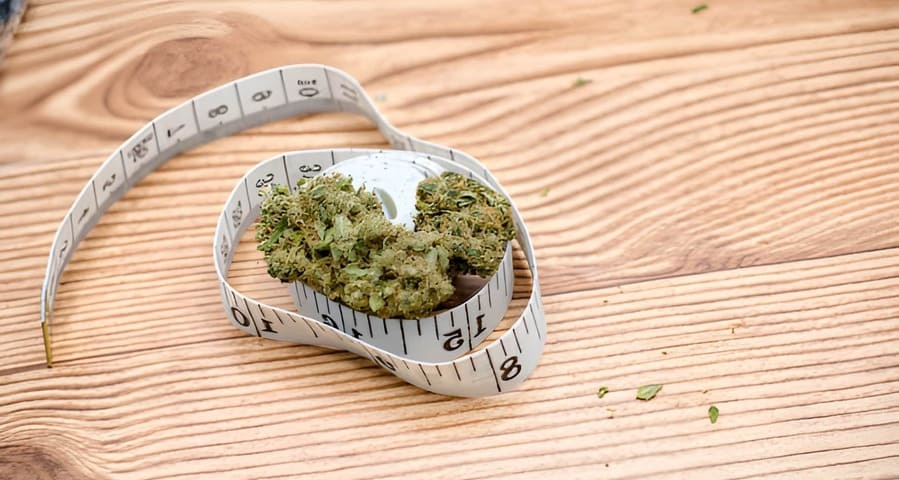
Ever wondered if lighting up a joint could actually help you shed a few pounds? It’s a question that pops up a lot, especially with all the buzz around cannabis. People talk about the “munchies,” sure, but then there’s also this idea that weed might do the opposite. It’s a bit confusing, right? Let’s break down what the science says, or at least, what it’s trying to figure out, about Can smoking weed cause weight loss.
Key Takeaways
- Studies show a link between using cannabis and having a lower body mass index (BMI), but it’s not clear if cannabis directly causes weight loss.
- Cannabis might indirectly help with weight management by reducing pain, stress, or improving sleep, which can lead to more activity and better eating habits.
- While THC can increase appetite (the “munchies”), CBD might lessen this effect, creating a complex interaction.
- Smoking cannabis carries significant health risks, including respiratory problems and potential dependence, which outweigh any possible weight loss benefits.
- More research is needed to fully understand the relationship between cannabis and weight, as current findings are often based on observation and don’t prove causation.
Understanding The Cannabinoid Connection To Weight
It might seem a bit backward, right? We often hear about cannabis leading to the infamous “munchies,” suggesting weight gain. But what if the story is more complicated? Turns out, the compounds in cannabis, called cannabinoids, have a complex relationship with our bodies, including how we manage weight. It’s not just about feeling hungry; it’s about how these natural chemicals interact with our internal systems.
THC’s Role In Appetite Stimulation
Let’s start with THC, the cannabinoid most people associate with the psychoactive effects of cannabis. One of its well-known actions is stimulating appetite. When THC interacts with certain receptors in the brain, it can signal hunger. This is why some patients use cannabis to help with appetite loss due to medical conditions or treatments. This initial surge in appetite is a key part of the “munchies” phenomenon. It’s a direct effect that can lead to increased calorie intake in the short term.
CBD’s Counteracting Influence On Hunger
Now, enter CBD. Unlike THC, CBD doesn’t typically cause a “high,” and its effects on appetite seem to be different, even potentially opposite. Some research suggests that CBD might actually help reduce feelings of hunger. It interacts with the body’s systems in ways that don’t directly stimulate appetite. This means that while THC might make you want to eat, CBD could potentially temper that urge. This is a really interesting point when we think about the overall impact of different cannabis strains or products.
The Complex Balance Between THC And CBD
So, we have THC potentially increasing appetite and CBD possibly decreasing it. This creates a fascinating dynamic. The overall effect on your weight likely depends on the specific balance of these cannabinoids in the cannabis you consume. A strain high in THC might lead to more eating, while one with a more balanced profile or higher CBD content might have a different outcome. It’s not a simple one-size-fits-all situation. The way these compounds interact with our endocannabinoid system, which plays a big role in metabolism, is still being figured out. Understanding this balance is key to figuring out the whole weight loss puzzle related to cannabis use. It’s a delicate interplay that scientists are still working to fully understand, especially concerning how it affects eating disorders like anorexia, where appetite regulation is a major concern [0f5c].
The body’s natural endocannabinoid system is a complex network that influences many functions, including appetite and metabolism. Phytocannabinoids from cannabis plants can interact with this system, leading to varied effects depending on the specific compounds and their concentrations.
Exploring The Link Between Cannabis Use And Body Weight
So, we’ve talked about how cannabis might mess with your appetite, but what does the actual research say about people who use it and their weight? It’s a bit of a head-scratcher, honestly. You’d think with all the talk about “the munchies,” cannabis users would be packing on pounds, right? Well, the studies paint a more complicated picture.
Observational Studies On Lower Body Mass Index
When scientists look at large groups of people and compare cannabis users to non-users, a pretty consistent pattern pops up: cannabis users often have a lower Body Mass Index (BMI). This has been seen in several studies, even when researchers try to account for other things that might affect weight, like age, diet, and exercise habits. It’s like, people are smoking weed, eating more, but somehow weighing less. Weird, huh?
- A significant number of studies show a correlation between cannabis use and a lower BMI.
- Some research even points to smaller waist circumferences in users.
- This trend holds up even after trying to adjust for other lifestyle factors.
Increased Calorie Intake With Lower Weight
This is where it gets really interesting. Despite having a lower BMI, many studies also report that cannabis users tend to eat more calories. Think about that for a second. You’re consuming more food, but your weight isn’t going up, or might even be going down. It’s a paradox that researchers are still trying to fully understand. It suggests that cannabis might be influencing how our bodies process that extra food.
The Paradox Of Eating More And Weighing Less
So, how can someone eat more and weigh less? It’s not magic, but it’s also not fully explained yet. Some theories point to how cannabis might affect metabolism, making the body burn calories differently. Others suggest that while appetite increases, the types of food chosen or the timing of eating might play a role. It’s a complex interplay of factors, and not all cannabis use is the same. The specific compounds in the plant, how it’s consumed, and how often someone uses it all seem to matter.
The relationship between cannabis use and body weight isn’t straightforward. While many studies link cannabis use to lower BMI, this often occurs alongside increased calorie consumption, creating a puzzling scenario that researchers are actively investigating.
It’s important to remember that these are often observational studies. That means they show a connection, but they don’t necessarily prove that cannabis causes weight loss. There could be other underlying reasons why people who use cannabis also happen to have lower BMIs. More research is definitely needed to untangle this whole thing.
Potential Indirect Pathways To Weight Management
So, we’ve talked about how cannabis might directly mess with your appetite, but what about the other stuff? It turns out, using cannabis could indirectly help with weight management in a few surprising ways. It’s not always about the munchies, you know?
Easing Chronic Pain And Improving Mobility
Living with chronic pain is a real drag. It makes moving around tough, and honestly, it can really mess with your motivation to do anything, let alone exercise. Some people find that cannabis helps take the edge off that pain. When you’re not hurting as much, you might feel more up to going for a walk or doing some light activity. This improved mobility, even if it’s just a little bit, can make a difference over time. It’s not a magic bullet, but anything that helps you move more freely is a win, right? It’s about finding ways to get your body moving again, even when it’s fighting against you.
Reducing Stress And Its Impact On Eating Habits
Stress is a huge factor in how we eat. When we’re stressed out, a lot of us reach for comfort food, often things that aren’t exactly health food. Cannabis, for some users, can have a calming effect. By potentially lowering stress levels, it might help curb that urge to emotionally eat. If you’re less stressed, you might make better food choices or simply eat less because you’re not using food as a coping mechanism. It’s a complex relationship, but anything that helps manage stress could indirectly help with weight.
Enhancing Sleep Quality For Better Health
Getting good sleep is super important for overall health, including weight. When you don’t sleep well, your body goes a bit haywire. Your hunger hormones can get out of whack, making you crave unhealthy foods, and you might feel too tired to exercise. Some people report that cannabis helps them fall asleep faster and stay asleep longer. Better sleep means your body can regulate itself better, potentially leading to healthier eating patterns and more energy for physical activity. It’s all connected, really.
The endocannabinoid system, which cannabis compounds interact with, plays a role in regulating sleep. When this system is out of balance, it can affect sleep cycles, which in turn impacts appetite and metabolism. Finding a way to support this system, whether through lifestyle changes or other means, could have ripple effects on weight management.
Here’s a quick look at how these indirect effects might play out:
- Pain Relief: Less pain can mean more movement.
- Stress Reduction: May lead to fewer stress-related food cravings.
- Improved Sleep: Better sleep can help regulate hunger hormones.
It’s important to remember that these are indirect effects. They aren’t about cannabis directly burning fat, but rather about how it might influence behaviors and bodily functions that contribute to weight management. The research into the endocannabinoid system and its role in metabolism is still developing, but these pathways offer an interesting perspective beyond just appetite stimulation [5e1d].
Metabolic Effects And Cannabis Consumption
So, how does cannabis actually mess with our metabolism? It’s not as simple as just making you hungry. There’s a whole system at play, and it seems like cannabis can nudge it in different directions. The endocannabinoid system, which is a big network in our bodies, plays a role in things like appetite, mood, and even how our body uses energy. When you consume cannabis, compounds like THC and CBD interact with this system.
How Cannabis Might Influence Metabolism
THC, the main psychoactive compound, is known for kicking up appetite. It does this by interacting with CB1 receptors, which are found all over the body, including in areas that control hunger. This interaction can make food seem more appealing, especially those high-calorie, tasty treats. On the flip side, CBD seems to do the opposite. It can act as an antagonist to CB1 receptors, potentially dampening the appetite-stimulating effects of THC. This is why the balance between THC and CBD in different cannabis strains might lead to varied effects on eating habits and weight.
Energy Expenditure And Fat Storage
It’s a bit of a puzzle: some studies show cannabis users eat more calories but still have lower body mass indexes (BMIs). This suggests that cannabis might also influence how our bodies burn energy. The theory is that while cannabis might temporarily boost appetite, it could also lead to more efficient calorie burning and storage over time. This could mean your body is just better at using the energy it takes in. It’s like your metabolism gets a tune-up, though the exact mechanisms are still being figured out. Some research points to weekly use being enough to see these metabolic shifts, possibly because the effects on receptors can last for a while [d2f5].
The Endocannabinoid System And Diet
Our diet plays a big part in how our endocannabinoid system works. If your diet is heavy on sugars and refined starches, which often have a high omega-6 to omega-3 fatty acid ratio, your system might be out of whack. Cannabis use, particularly THC, might help correct this imbalance. Interestingly, adding omega-3 supplements alongside cannabis could potentially amplify these positive effects, leading to even better results for weight and metabolic health. It’s a complex interplay between what we eat and how cannabis interacts with our internal systems.
The way cannabis affects metabolism is complex and depends on many factors, including the specific compounds present, the amount consumed, and how it’s consumed. While it can stimulate appetite, it may also influence energy expenditure and fat storage in ways that could contribute to lower body weight in some individuals.
Risks And Downsides Associated With Smoking Weed
While some people explore cannabis for potential benefits, it’s really important to remember that smoking it isn’t without its own set of problems. It’s not all sunshine and rainbows, and ignoring the downsides would be pretty shortsighted.
Respiratory Health Concerns From Inhalation
When you smoke anything, you’re inhaling smoke, and that smoke carries a lot of stuff your lungs aren’t designed to handle. Cannabis smoke, much like tobacco smoke, contains irritants and toxins. Some research even suggests that because people tend to inhale more deeply and hold the smoke longer when smoking weed, they might be exposed to more tar per breath. Over time, this can really mess with your lungs and airways. We’re talking about reduced lung function, more inflammation, and a higher chance of developing conditions like chronic bronchitis. It’s a direct hit to your respiratory system.
Potential For Misuse And Dependence
It’s easy to think of cannabis as harmless, but that’s not always the case. For some individuals, regular use can lead to what’s called cannabis use disorder. This means having trouble controlling your use, continuing even when it causes problems, and experiencing withdrawal symptoms when you stop. Studies have indicated that a significant portion of users might fall into this category, and younger people, especially those who start using before age 18, seem to be at a higher risk. It’s a slippery slope for some, and recognizing that risk is key.
Long-Term Health Complications
Beyond the immediate effects on your lungs and the potential for dependence, there are other long-term health considerations. While the research is still evolving, chronic smoking can contribute to a range of issues. Some studies have pointed to associations with gastrointestinal problems, and the long-term impact on overall health is something that warrants careful consideration. It’s not just about the lungs; the whole body can be affected over time.
It’s easy to get caught up in the potential upsides, but a balanced view means acknowledging the risks. Smoking anything introduces harmful substances into your body, and cannabis is no exception. Focusing on healthier consumption methods, if one chooses to use cannabis, might mitigate some of these risks, but the act of smoking itself carries inherent dangers.
The Current State Of Research On Cannabis And Weight Loss
So, what’s the deal with all this research on cannabis and weight loss? It’s a bit of a mixed bag, honestly. Most studies seem to suggest that people who use cannabis tend to have a lower Body Mass Index (BMI). That’s pretty interesting, right? It goes against the whole ‘munchies’ stereotype we often hear about. But here’s the tricky part: figuring out why this happens is tough.
Limitations Of Existing Studies
One of the biggest headaches in this research is that most studies just look at people and see who uses cannabis and what their weight is. They don’t always dig into the specifics. For example, they often don’t tell us if the person was using a strain high in THC or CBD, or if they were smoking it or eating it in an edible. These differences matter a lot because THC can make you hungry, while CBD might do the opposite. It’s like trying to understand how different types of exercise affect fitness without knowing if someone was lifting weights or doing yoga.
The Need For More Comprehensive Research
Because of these gaps, scientists are calling for more detailed studies. They want to know things like how often people use cannabis, what specific compounds are in the cannabis they’re using, and how they’re consuming it. Understanding these factors could help us get a clearer picture of the relationship between cannabis and weight. It’s not just about whether someone uses cannabis, but how they use it.
Correlation Versus Causation In Findings
This is a big one in science: correlation doesn’t equal causation. Just because cannabis users tend to have lower BMIs doesn’t automatically mean cannabis causes weight loss. There could be other things going on. Maybe people who are already health-conscious are more likely to try cannabis, or maybe there are lifestyle factors we’re not seeing. It’s like saying that because ice cream sales go up when shark attacks happen, ice cream causes shark attacks. Both increase in the summer, but one doesn’t cause the other. We need more research to untangle whether cannabis is directly influencing weight or if it’s just associated with other factors.
The current scientific understanding is still developing. While many studies show a link between cannabis use and lower body weight, the exact reasons remain unclear. Future research needs to be more specific about the types of cannabis used and how it’s consumed to draw more definitive conclusions.
So, What’s the Verdict on Weed and Weight Loss?
Alright, so after digging into all this, it’s pretty clear that the whole weed-and-weight-loss thing isn’t as simple as just lighting up and expecting the pounds to drop. While some studies show people who use cannabis tend to have a lower body weight, it’s not a magic bullet. There are theories about how it might help indirectly, like by easing pain or improving sleep, which could lead to more activity or better eating habits. Plus, the mix of THC and CBD might play a role, with one potentially boosting appetite and the other calming it down. But here’s the kicker: smoking weed comes with some serious health risks for your lungs and can even lead to dependence. So, while the research is still out there and more is definitely needed, it’s probably not the best idea to start using cannabis with the main goal of shedding pounds. Focusing on a healthy diet and exercise is still the most reliable path to weight loss, and it doesn’t come with the same downsides.
Frequently Asked Questions
Does smoking weed make you lose weight?
The research isn’t super clear. Some studies show that people who use weed tend to have a lower body weight. However, this doesn’t automatically mean smoking weed causes weight loss. It might be that other lifestyle choices are involved. Plus, sometimes weed can make you crave junk food, which could lead to weight gain.
What’s the deal with THC and appetite?
THC is the part of weed that makes you feel high. It can actually make you feel hungrier, which is why some people use it to help them eat more. This is often called ‘the munchies’.
Does CBD affect weight?
CBD is another part of weed, but it doesn’t make you feel high. Some research suggests CBD might help turn body fat cells that store energy into cells that burn energy. But, there are only a few studies on this, so we need more information to be sure.
Can weed help with weight loss in other ways?
Yes, it might! Weed can sometimes help ease pain and reduce stress. If you’re in less pain, you might be able to move around more and be more active. Also, if stress makes you eat too much, weed might help calm you down and reduce that urge.
Are there any risks to smoking weed for weight loss?
Definitely. Smoking anything, including weed, can harm your lungs and breathing. There’s also a chance of becoming dependent on it. Plus, the ‘munchies’ can lead to eating unhealthy foods, which isn’t good for weight loss or overall health.
What do scientists think about weed and weight?
Scientists are still studying this. They’ve noticed that people who use weed often have a lower body weight, even if they eat more calories. They think weed might affect how your body uses energy and stores fat, but more research is needed to understand exactly how and why this happens.