
How much harvested cannabis can I have at home under Michigan medical marijuana law
Cannabis Near Me Editorial Team
April 1, 2026

So, you’re wondering about how much harvested cannabis can I have at home under Michigan medical marijuana law? It’s a common question, especially after you’ve been growing your own medicine. The rules can seem a bit confusing, but understanding them is key to staying on the right side of the law. We’ll break down what you need to know about possession limits, how weights are calculated, and what happens if you have a bit too much.
Alright, let’s talk about how much of that homegrown medical marijuana you can actually keep around your place in Michigan. It’s not as straightforward as you might think, especially when you’re dealing with freshly harvested plants.
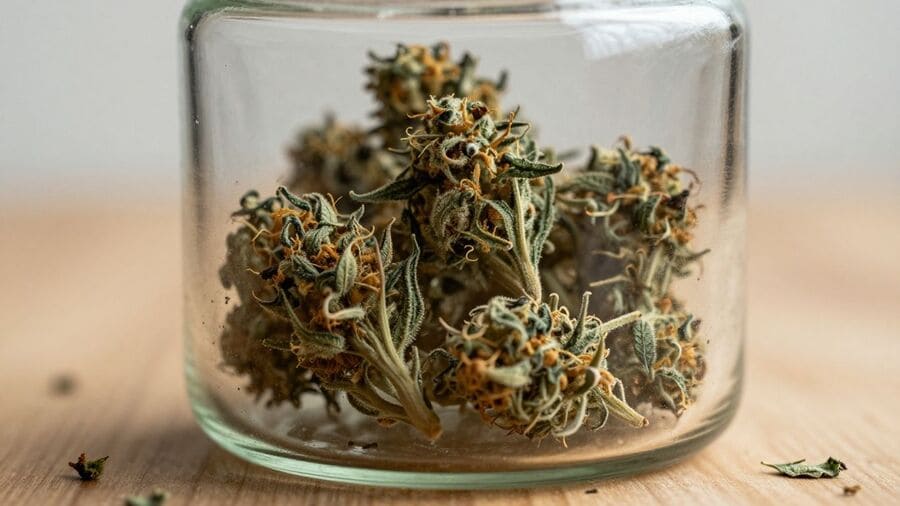
So, what exactly counts as “usable” marijuana according to Michigan law? It’s pretty specific. The law generally defines it as the dried flowers of the cannabis plant, along with any seeds or stems. What it doesn’t include is the plant’s resin or other manufactured compounds. This distinction is super important, especially when we get into weighing things later on. The key takeaway is that “usable” marijuana is what’s ready for consumption, not just any part of the plant you’ve chopped down.
For a registered medical marijuana patient in Michigan, the law sets a limit on how much usable marijuana you can possess at any given time. This limit is set at 2.5 ounces. This isn’t a daily limit or a weekly limit; it’s the maximum amount of usable marijuana you can have on your person or in your home at one time. It’s designed to cover your personal needs, not for distribution or large-scale storage. When will marijuana be legal in Michigan?
Calculating your legal possession amount can get a little tricky, especially when you’re dealing with plants in different stages of drying. The law focuses on the dried weight of the usable marijuana. This means that freshly harvested plants, which contain a lot of water, will weigh more than they will once they’re properly dried.
Here’s a breakdown:
It’s crucial to remember that the weight of your cannabis can change significantly as it dries. What might weigh over the limit when it’s fresh off the plant could very well be within the legal limit once it’s properly cured and dried. This difference is due to water content, which can make up a large percentage of a fresh plant’s weight.
As a medical marijuana caregiver in Michigan, you’re allowed to grow and possess a certain amount of cannabis for your registered patients. The law generally permits 12 plants per patient. If you’re also a registered patient yourself, you can have up to 72 plants total. This means a caregiver looking after five patients, plus themselves, could legally cultivate a significant number of plants. However, the amount of usable marijuana you can possess is more specific: 2.5 ounces per patient. This is where things can get a little tricky, especially when you’re dealing with freshly harvested plants.
So, let’s break down the numbers. For plants, it’s pretty straightforward: 12 plants per patient. If you’re a caregiver for five patients and also a patient yourself, that’s a total of 72 plants you can have. Now, the ounces are where it gets a bit more nuanced. The law states 2.5 ounces of usable marijuana per patient. This is the amount that’s dried, cured, and ready for consumption. It’s important to remember that this limit applies to usable marijuana, not the wet weight of the plant right after harvest.
Keeping your harvested cannabis secure is a big deal. The law requires that your marijuana be kept in a locked and enclosed area. This isn’t just about preventing accidental access; it’s a legal requirement to ensure your harvest is stored safely and out of sight. Think of it like storing any other valuable or sensitive item – it needs to be protected. This helps prevent theft and also shows law enforcement that you’re taking the storage requirements seriously. Proper storage is key to staying compliant.
Here’s a quick rundown of storage requirements:
The weight of your harvested cannabis is a critical factor in staying within legal limits. It’s not just about the number of plants, but also the amount of usable product you have on hand. Understanding how the law defines ‘usable’ versus ‘harvested’ is vital for avoiding any legal issues. This distinction often comes down to the drying and curing process, which significantly impacts the final weight.
So, you’ve harvested your cannabis, and now you’re wondering about the weight. It’s a bit more complicated than just tossing it on the scale. The key thing to remember is that the law, specifically when it comes to medical marijuana in Michigan, often refers to “usable” marijuana. This isn’t the same as just-harvested, still-wet cannabis. Think about it like this: when you first cut down a plant, a good chunk of its weight is just water. As it dries, that water evaporates, and the weight goes down significantly. The courts have generally ruled that it’s the dried weight that counts towards your legal possession limits, not the weight when it’s still wet and drying. This distinction is super important, especially if you’re a caregiver managing medicine for multiple patients.
A big case that really clarified this for everyone was People v. Manuel. In this situation, a caregiver was found to have more marijuana than the legal limit when the police weighed it right after seizing it. However, the cannabis was still in the process of drying. Over the next few weeks, as it dried out completely, its weight dropped considerably and ended up falling within the legal limits. The court decided that because the marijuana wasn’t fully dried, it wasn’t considered “usable” yet. This ruling basically said that the weight of the water content shouldn’t count against your possession limits. It’s a pretty big deal because it means you have some leeway during the drying process, as long as the final, dried product is within the legal amount. This case really helped clear the air for many patients and caregivers trying to stay compliant.
Given the People v. Manuel ruling, what’s the best way to handle your harvest to stay on the right side of the law? It can be a bit of a balancing act. Here are a few things to keep in mind:
The weight of cannabis can change quite a bit as it dries. What might seem over the limit when it’s fresh off the plant could be perfectly fine once the moisture has evaporated. This is why understanding the difference between “harvested” and “usable” weight is so important for medical marijuana patients and caregivers in Michigan. It’s not just about the quantity you grow, but also about how you process and store it.
If you’re curious about ongoing research related to cannabis, you can access a collection of registered studies related to cannabis.
Here’s a quick look at how weights can differ:
| Stage of Cannabis | Approximate Water Content | Impact on Weight |
|---|---|---|
| Freshly Harvested | 70-80% | Highest Weight |
| Drying | 20-50% | Decreasing Weight |
| Fully Dried | 8-10% | Lowest Weight |
Okay, so you’ve harvested your cannabis, and now you’re wondering about the weight limits. It can get a little confusing, especially since the plants are still drying. The key thing to remember is that the law cares about the weight of usable marijuana, not the weight while it’s still wet.
Getting caught with more cannabis than the law allows can lead to some serious headaches. We’re talking about potential criminal charges, fines, and even losing your ability to participate in the medical marijuana program. It’s not worth the risk, so understanding the rules is super important.
This is where things get a bit technical, thanks to a court case called People v. Manuel. Before this ruling, it was unclear whether the weight of wet, drying cannabis or fully dried, usable cannabis counted. The court clarified that it’s the usable weight that matters. Think about it: fresh cannabis leaves are mostly water, like 80%, and the buds themselves are around 70% water. As it dries, that water evaporates, significantly reducing the weight.
Here’s a simplified way to look at it:
So, if the police weigh your cannabis while it’s still in the drying process and it’s over the limit, but it would be under the limit once fully dried, you’re generally protected. However, proving this can be tricky, so it’s best to be mindful of the limits even during the drying phase.
If law enforcement ever questions your harvest amounts, stay calm and polite. Having clear records of your grow and drying process can be really helpful. If you have multiple plants in different stages of drying, it can be tough to pinpoint the exact usable weight at any given moment. The safest bet is often to err on the side of caution and aim to keep your total harvest well within the legal limits, even when accounting for the extra weight from moisture. This proactive approach helps prevent potential legal entanglements down the road.
So, you’re a caregiver, and you’re looking after a few patients, maybe even yourself. It can get a little confusing trying to keep track of who has how much, right? Michigan law lets a caregiver look after up to five patients, plus themselves if they’re also a patient. Each patient is allowed 12 plants, and you can have 2.5 ounces of usable marijuana per patient. But here’s where it gets tricky: if you’re also a patient, you get your own 12 plants and 2.5 ounces. So, if you’re a caregiver for five patients and also a patient yourself, that’s a total of six people you’re managing. This means you could potentially have 72 plants (6 people x 12 plants) and 15 ounces (6 people x 2.5 ounces) of usable cannabis. It’s a lot to keep straight, and it’s really important to track each patient’s portion separately to avoid any mix-ups.
This is a common situation. You’re registered as a medical marijuana patient, and you also decide to help out a friend or family member by becoming their caregiver. The good news is, you get to keep your personal patient limits and your caregiver limits. Think of it as two separate allowances. Your personal allowance is for your own use, and your caregiver allowance is for the patients you’re registered to help. So, if you’re a patient, you’re allowed up to 12 plants and 2.5 ounces. If you’re a caregiver for one patient, that patient is allowed up to 12 plants and 2.5 ounces. If you’re that patient’s caregiver and they are your only patient, you’re managing a total of 24 plants and 5 ounces. It’s not a combined pool; they’re distinct.
Sometimes, even when you’re trying your best to stay within the limits, you end up with a little extra. This often happens because the plant count is separate from the usable marijuana weight. For instance, you might harvest a plant that yields more than the allowed 2.5 ounces per patient. The law, as clarified in cases like People v. Manuel, generally focuses on the dried weight of usable marijuana. If you have a bit of an overage, it’s best to document it and keep it separate. It’s also worth noting that the law doesn’t really authorize caregiver-to-caregiver sales, so you can’t just pass it off to another caregiver. If you find yourself consistently having a surplus, it might be time to re-evaluate your growing practices or consult with someone who knows the ins and outs of Michigan medical marijuana law.
Here’s a quick rundown of how it can stack up:
| Role | Max Plants Per Person | Max Usable Ounces Per Person |
|---|---|---|
| Patient | 12 | 2.5 |
| Caregiver (per patient) | 12 | 2.5 |
| You as Patient + Caregiver for 1 Patient | 24 | 5.0 |
| You as Patient + Caregiver for 5 Patients | 72 | 15.0 |
It’s easy to get confused with all the numbers and rules. The key is to remember that your personal allowance and your caregiver allowance are separate. Always keep good records of your plants and harvested amounts for each patient you care for. This way, if law enforcement ever has questions, you can show them exactly what you have and why it’s legal.
Remember, the rules can be a bit complex, and things change. Staying informed is your best bet. If you’re unsure about your specific situation, talking to a legal professional who specializes in this area is always a smart move.
The landscape of Michigan’s medical cannabis laws isn’t static; it’s always shifting. Keeping up with these changes is key for both patients and caregivers to stay on the right side of the law. Recent court decisions and new regulations have definitely made waves, impacting how much harvested cannabis you can legally have at home.
One of the biggest shifts came from the court case People v. Manuel. This ruling clarified how “usable” versus “harvested” cannabis weight is calculated. Basically, the courts decided that the dried weight is what counts for legal possession limits, not the weight while the cannabis is still drying. This is a pretty big deal because cannabis loses a significant amount of weight as it dries. So, if you had a large harvest that was still wet, it might have initially appeared over the limit, but once dried, it could fall within the legal bounds. This distinction is super important for anyone growing their own medicine.
Beyond court cases, there have been regulatory adjustments too. The Michigan Department of Treasury, for instance, has issued guidance on taxes affecting the cannabis industry, which indirectly influences how operations are managed state’s 24 percent Wholesale Marijuana Tax. While these might seem more business-focused, they can trickle down to affect how patients and caregivers interact with the system. It’s always a good idea to check for any new advisories or rule changes from the state regarding the Michigan Medical Marijuana Program (MMMP).
Looking ahead, there’s ongoing discussion about the future of the Michigan Medical Marihuana Act (MMMA) in light of recreational legalization and the Medical Marihuana Facilities Licensing Act (MMFLA). Some discussions have pointed towards potentially phasing out parts of the MMMA. This means that what’s considered legal today might change down the line. For caregivers especially, understanding these potential shifts is important for long-term planning. Staying informed about michigan cannabis law developments is your best bet.
It’s wise to remember that while state laws permit medical marijuana use, federal law still classifies it as a controlled substance. This creates a complex legal environment where state-level compliance doesn’t always align with federal statutes. Always be aware of this dual legal reality when handling cannabis.
Here are some things to keep in mind:
Okay, so you’ve harvested your cannabis, and now you’re wondering how to keep everything on the up-and-up with the law. It’s not just about having the right amount; it’s about being able to show you’re following the rules if anyone asks. Think of it like keeping good records for your taxes – it just makes life easier and keeps you out of hot water.
This is where things can get a little tricky, especially with the whole ‘wet’ versus ‘dry’ weight thing. Remember the People v. Manuel case? That really hammered home that it’s the dried, usable weight that counts, not the stuff still on the drying rack. So, how do you keep track?
Here’s a quick look at how you might track your harvest:
| Harvest Date | Initial Wet Weight (lbs/kg) | Drying Time (Days) | Final Dry Weight (oz/grams) | Plant Count | Notes |
|---|---|---|---|---|---|
| 2026-03-15 | 5 lbs | 14 | 18 oz | 10 | First harvest of the season |
| 2026-03-20 | 4.5 lbs | 12 | 16 oz | 9 | Different strain, faster dry |
If law enforcement or a state official ever needs to inspect your home grow, being prepared can make a big difference. The goal is to calmly and clearly demonstrate your compliance.
It’s important to remember that the law focuses on ‘usable’ marijuana. This means the product should be dried, cured, and ready for consumption. Anything still wet and in the process of drying is generally not considered ‘usable’ and therefore doesn’t count towards your possession limit in the same way. Keeping clear records helps prove this distinction.
Beyond just logs, think about other ways to document your situation. If you have multiple patients under your care, or if you’re a patient with multiple caregivers, keeping separate, clear records for each can prevent confusion. Sometimes, having a simple diagram of your grow space, showing where plants are located and how they are secured, can also be helpful. It’s all about creating a clear picture that you are a responsible, law-abiding patient or caregiver. If you ever feel unsure about your specific situation or the documentation required, consulting with a legal professional specializing in Michigan’s marijuana laws is always a smart move.
So, when it comes down to how much harvested cannabis you can keep at home under Michigan’s medical marijuana law, it’s all about the dried, usable amount. The law says you can have up to 2.5 ounces per patient, and if you’re a caregiver, that means up to five patients plus yourself. That’s a total of 15 ounces if you’re maxed out. But here’s the tricky part: only the dried cannabis counts, not the stuff that’s still drying. The courts have made it clear that the weight is measured after it’s fully dried, which can take several weeks. If you’re growing your own, it’s smart to keep track of your harvest and make sure you’re not over the limit once everything’s dried out. The rules can feel confusing, and they change from time to time, so if you’re ever unsure, it’s a good idea to check in with a lawyer or keep an eye on updates from the state. Better safe than sorry, right? Stay informed and you’ll be in a good spot.
Under Michigan’s medical marijuana law, a registered patient can legally possess up to 2.5 ounces of usable marijuana. This amount is based on the dried weight of the cannabis, not the wet or drying weight. It’s important to remember this limit applies to ‘usable’ marijuana, meaning it’s ready for consumption.
The law focuses on ‘usable’ marijuana, which is dried and ready to be used. When you harvest plants, they contain a lot of water. As the cannabis dries, its weight decreases significantly. A key court case, People v. Manuel, clarified that only the dried weight counts towards the legal possession limit. So, while you might harvest a larger wet weight, it’s the final dried weight that matters for compliance.
Yes, caregivers have different limits. A caregiver can grow up to 12 plants per patient they are registered for, and they can possess 2.5 ounces of usable marijuana per patient. If a caregiver is also a patient, they can have a total of 72 plants and 15 ounces of usable marijuana, which covers themselves and up to five other patients.
If a caregiver is found to possess more usable marijuana than allowed by law, they could face legal trouble. The amount is based on the dried weight. It’s crucial for caregivers to carefully track their harvests and ensure the dried product stays within the 2.5-ounce limit per patient to avoid penalties.
While the law doesn’t specify exact storage methods for harvested cannabis, it’s strongly recommended to keep it secure and out of sight. Since the weight of dried cannabis counts towards your legal limit, it should be stored in a way that prevents unauthorized access and is easily verifiable if law enforcement needs to inspect it. Keeping records of your harvest can also be helpful.
Michigan’s marijuana laws are always evolving with new court decisions and regulations. While the core limits for usable marijuana per patient and caregiver have remained relatively stable, it’s essential to stay informed about any updates. Recent court rulings, like People v. Manuel, have helped clarify how weight is calculated, emphasizing the importance of dried weight. Always check for the latest information to ensure you’re compliant.