

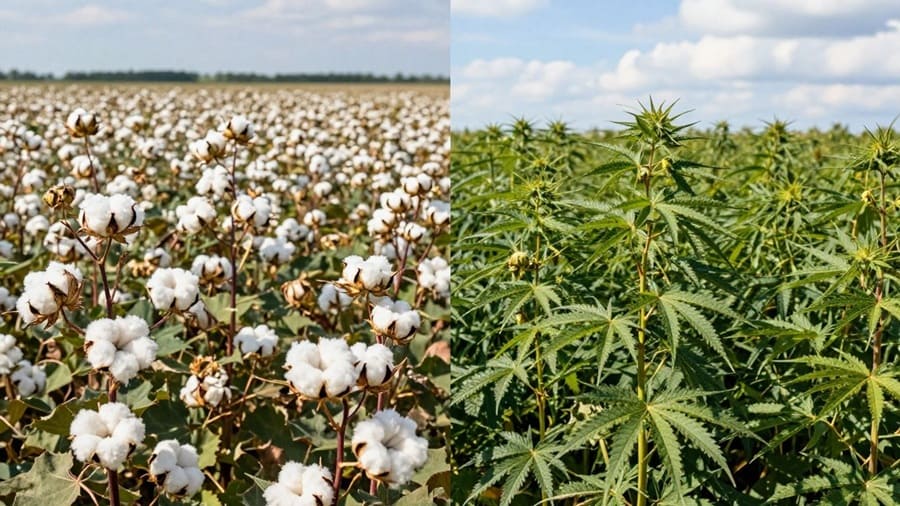
When you’re thinking about fabrics, cotton and hemp often come up. They’ve both been around for ages, used for everything from clothes to ropes. But how do they stack up against each other, especially when you look at how long they take to grow? The whole ‘Cotton growing time vs hemp growing time?’ question is pretty interesting, and it touches on a lot more than just how fast a plant gets ready for harvest. It’s about what it takes to grow them, how they affect the environment, and what you can actually make from them. Let’s break it down.
Key Takeaways
- Hemp grows much faster than cotton, often ready for harvest in about 4 months, while cotton needs closer to 6-7 months.
- Cotton uses significantly more water and often requires pesticides, whereas hemp needs less water and fewer chemicals.
- Hemp fibers are naturally stronger and more durable than cotton, leading to longer-lasting products.
- Cotton has established, affordable supply chains, but hemp is becoming more available as legal restrictions ease, though it may cost more initially.
- While cotton is known for softness, hemp is improving in texture and offers benefits like better durability and a lower environmental impact.
Understanding Crop Growth Cycles
When we talk about growing cotton versus hemp, one of the first things that jumps out is how long each crop takes to mature. It’s a pretty big difference, and it affects everything from how often farmers can harvest to the resources they need.
Hemp’s Rapid Maturation Period
Hemp is known for being a fast grower. Seriously, this plant can be ready for harvest in as little as 120 days, or about four months. This quick turnaround means farmers can potentially get multiple harvests in a single growing season, depending on the climate, of course. This rapid growth cycle also means hemp can be a great option for land use efficiency. It’s a plant that really gets going and doesn’t take forever to reach its full potential. Some sources even say it can be harvested up to three times a year in ideal conditions. That’s pretty wild when you think about it.
Cotton’s Extended Growth Timeline
Cotton, on the other hand, is a bit of a slowpoke. It needs a much longer growing season, typically around 21 to 25 weeks, which is roughly five to six months. This means most farmers can only get one harvest per year. Cotton also needs specific conditions – think hot and humid weather – to really thrive. This longer timeline means farmers have to commit their land to the crop for a significant chunk of the year, and they’re more exposed to weather risks over a longer period. It’s a whole different ballgame compared to hemp’s quick sprint.
Comparing Harvest Readiness
So, when you put them side-by-side, the difference in harvest readiness is stark. Hemp is ready to go in about four months, while cotton needs closer to six. This isn’t just a minor detail; it has ripple effects. For instance, hemp’s faster cycle allows for more frequent harvests, potentially leading to higher yields over a year from the same piece of land. It also means farmers can be more flexible with their planting schedules. Cotton’s longer cycle requires more planning and a greater commitment of resources over an extended period. This difference in growth speed is a major factor when considering the agricultural efficiency and environmental impact of each crop.
The speed at which a crop grows directly influences its resource needs and the farmer’s ability to manage their land effectively throughout the year. Faster-growing plants can sometimes mean less time for weeds to establish or a quicker return on investment for the farmer.
Environmental Footprints of Cultivation
When we talk about growing crops like hemp and cotton, it’s easy to just think about the final product. But what happens in the fields really matters for the planet. It turns out these two plants have pretty different impacts on the environment, especially when it comes to water and chemicals.
Hemp’s Sustainable Water Requirements
Hemp is known for being pretty low-maintenance when it comes to water. It’s a hardy plant that doesn’t need a ton of irrigation, especially compared to cotton. This makes it a much better choice in areas where water is scarce. Hemp can often thrive with just the natural rainfall. It’s not uncommon for hemp to grow well with about half the water that cotton needs. This lower water demand means less strain on local water sources and a smaller overall environmental footprint during its growth cycle.
Cotton’s Significant Water Consumption
Cotton, on the other hand, is a thirsty crop. It really needs a lot of water to grow properly, which is why it’s often grown in regions that have plenty of it. But even in those areas, the sheer amount of water required can be a problem. Producing just a couple of pounds of cotton can take thousands of gallons of water. This high demand can put a serious strain on rivers, lakes, and groundwater supplies, especially in drier climates. It’s a big reason why cotton farming can be so challenging from a sustainability perspective. Some farmers are looking into ways to make cotton farming more efficient, but it’s a tough challenge.
Pesticide and Herbicide Usage Differences
The difference in chemical use between hemp and cotton is pretty stark. Hemp plants are naturally quite resistant to pests and diseases. They also grow so densely that they can outcompete most weeds, meaning farmers often don’t need to use herbicides. This makes hemp a much cleaner crop to grow. Cotton, however, is a different story. It’s one of the most pesticide-intensive crops out there. A huge amount of insecticides and other agrochemicals are used on cotton fields. This chemical runoff can pollute water sources and harm the soil and local wildlife. While organic cotton is an option, conventional cotton farming has a significant chemical footprint. It’s a major reason why many are looking at hemp as a more sustainable alternative.
The way these crops are grown has a ripple effect. Less water usage means healthier ecosystems. Fewer chemicals mean cleaner soil and water for everyone. It’s a big part of why choosing materials matters.
Agricultural Efficiency and Yield
When we talk about growing crops, efficiency and how much you get out of the land are pretty big deals. It’s not just about how fast a plant grows, but also how much it gives back and what it takes from the soil. This is where hemp and cotton really start to show their differences.
Land Requirements for Equal Yield
It turns out, you don’t need as much land to grow hemp as you do for cotton if you’re aiming for the same amount of usable fiber. Because hemp plants grow tall and slender, they can pack more fiber-producing material into a smaller space. Some sources say you might only need about half the land for hemp to get the same yield as cotton. That’s a pretty significant difference when you think about farming on a large scale. Less land used means potentially more land available for other things, or just a more concentrated, efficient harvest.
Nutrient Impact on Soil Health
This is a big one. Hemp is actually pretty good for the soil. It doesn’t really deplete the land, and some farmers even plow the leftover plant material back into the ground as a natural fertilizer. It’s like it gives back more than it takes. Plus, hemp can be grown on the same plot of land year after year without the soil getting worn out. Cotton, on the other hand, tends to drain the soil. If you keep planting cotton in the same spot, the soil can get pretty depleted, which means farmers might need to use more artificial fertilizers to keep things going. This is a key reason why hemp improves soil health.
Pest Resistance and Natural Defenses
Farming often involves dealing with pests and weeds, and this usually means using chemicals like pesticides and herbicides. Hemp is naturally pretty tough. It has a dense canopy that helps shade out weeds, so it doesn’t need a lot of herbicides. It’s also generally resistant to many common insects and diseases. This means farmers often use fewer chemicals, which is better for the environment and the soil. Cotton, however, is known to be a thirsty crop that often requires a lot of chemical intervention to thrive. While organic cotton farming exists and shows competitive yields, conventional cotton farming often relies heavily on pesticides and herbicides, which can have negative impacts on the surrounding ecosystem and the health of the farmers themselves.
The difference in how these crops interact with the soil and their natural resistance to pests means that hemp cultivation can be a much lighter touch on the environment compared to traditional cotton farming. This efficiency extends beyond just the harvest, impacting the long-term health of the land.
Fiber Properties and Durability
When we talk about fabrics, how they feel and how long they last are pretty big deals, right? It turns out cotton and hemp have some pretty different stories to tell in this department.
Hemp’s Superior Tensile Strength
Hemp is seriously tough stuff. Its fibers are naturally strong, like, way stronger than cotton. We’re talking about a material that can handle a lot of pulling and stretching without giving up. This means things made from hemp tend to last a really long time. It doesn’t break down easily, even with regular use and washing. This inherent durability makes hemp a fantastic choice for items that need to withstand a lot of wear and tear. Think workwear, sturdy bags, or even upholstery. Plus, unlike some materials that get weaker with age, hemp actually gets softer and more comfortable the more you use it, which is a pretty neat trick.
Cotton’s Softness and Comfort
Now, cotton is famous for being soft. It’s that familiar, gentle feel against your skin that most of us love. From the moment it’s made into fabric, cotton feels nice, and it just keeps getting softer with every wash. This is why it’s a go-to for t-shirts, bedding, and anything where immediate comfort is key. While hemp might start out a bit rougher, cotton is usually the winner if you’re looking for that super-soft, cozy vibe right off the bat. It’s a classic for a reason, offering a pleasant feel that’s hard to beat for everyday wear.
Longevity of Hemp Versus Cotton Fabrics
So, which one is going to stick around longer? Generally, hemp takes the crown for longevity. Its strong fibers resist degradation, meaning garments made from hemp can often be passed down through generations. Cotton, while durable in its own right, especially when woven tightly, can show signs of wear more quickly. Repeated washing and friction can cause cotton fibers to weaken and eventually break. Hemp, on the other hand, seems to get better with age, maintaining its integrity while becoming more pleasant to the touch. It’s a trade-off between immediate plushness and long-term resilience. If you’re aiming for items that will truly stand the test of time, hemp often has the edge. It’s a material that’s built to last, offering a sustainable choice not just for the environment, but for your wardrobe too. You can find out more about hemp’s moisture-wicking capabilities which also contribute to its wearability in different conditions.
Historical Context and Modern Resurgence
Ancient Origins of Cotton Cultivation
Cotton has been around for a really long time. We’re talking about civilizations in places like Mexico, Pakistan, and Egypt cultivating it way back around 5000 BC. It was a big deal then, used for all sorts of things, and honestly, it’s still a major fabric today. People back then really liked it for its clean feel and how adaptable it was.
Hemp’s Early Industrial Applications
Hemp, though, might just beat cotton in the ancient stakes. Evidence suggests it was being grown in China as early as 8000 BC, making it one of the oldest cultivated plants out there. It wasn’t just for clothes, either. Think ropes for ships, paper, and all sorts of other practical items. It was a pretty important trade good along the Silk Road, too. This plant has a history of being incredibly useful for human needs.
Twentieth Century Challenges for Hemp
So, both plants have deep roots in human history. Cotton just sort of kept chugging along, becoming this everyday staple. Hemp, however, hit some bumps in the road, especially in the 20th century. Its association with marijuana, even though industrial hemp is a different variety, led to a lot of legal trouble and a decline in its use. It was almost forgotten for a while.
But things are changing. We’re seeing a big comeback for hemp now, partly because people are looking for more sustainable options. It’s kind of cool to see an old crop like hemp getting a second chance in the modern world. It’s like it’s experiencing a renaissance, showing up in everything from clothing to building materials. It really shows how history can influence what we choose today.
Processing and Manufacturing Impacts
So, we’ve talked about growing these plants, but what happens after they’re harvested? That’s where things get really interesting, and honestly, a bit messy.
Traditional Hemp Retting and Scutching
Getting usable fibers from hemp used to be a real chore. The traditional way involved something called ‘retting.’ This is basically letting the plant material sit around, often in water or dew, so natural microbes could break down the sticky stuff holding the fibers together. After retting, you’d have to ‘scutch’ it, which means beating the stalks to separate the good fibers from the woody core. It was a tough, labor-intensive process, and frankly, not very pleasant. It took a lot of time and effort to get good quality hemp fiber this way.
Modern Eco-Friendly Hemp Processing
Thankfully, things have changed a lot for hemp processing. We’ve got new methods now that are way better for the environment and less work. One cool development is ‘cottonised hemp.’ This process uses enzymes, kind of like tiny biological helpers, to soften the hemp fibers. It makes them more like cotton, which is easier to work with on modern textile machines. This makes hemp a lot more accessible and less of a headache to turn into fabric. It’s a big step towards making hemp a more mainstream material, and it’s great to see these advancements in sustainable hemp processing.
Chemical Steps in Cotton Manufacturing
Cotton’s journey from field to fabric is also quite involved, but it often relies heavily on chemicals. First, the cotton bolls are ginned to separate the fibers from the seeds. Then, the fibers are spun into yarn. After that, the fabric is often bleached to make it white, and then dyed to give it color. These bleaching and dyeing steps frequently use strong chemicals. While these processes can create a very soft and colorful product, they can also create waste that isn’t great for the environment and can be tough on the workers handling the chemicals. It’s a trade-off between the familiar softness of cotton and the environmental impact of its production.
The way we turn raw plants into the fabrics we use every day has a big impact. For hemp, older methods were hard work but newer ones are much greener. Cotton’s path often involves chemicals that we need to be mindful of. It really makes you think about what goes into your clothes and other textiles.
Economic Factors and Market Availability
When we talk about cotton versus hemp, the economics and how easy it is to get these materials play a pretty big role. It’s not just about how they grow or what they feel like; it’s about what makes sense for businesses and consumers right now.
Cotton’s Established Supply Chains
Cotton has been around for ages in the textile world. Because of this, it’s got a super well-established system for getting from the farm to your closet. Think about it: farms, ginners, spinners, weavers, dyers – they all know the drill. This long history means that cotton is generally more affordable and readily available. You can find cotton products pretty much everywhere, and the sheer volume produced globally keeps prices relatively stable. This widespread availability and predictable pricing make cotton a go-to for many industries. While organic cotton can cost more, conventional cotton remains a budget-friendly option.
Hemp’s Higher Production Costs
Hemp, on the other hand, is still catching up in the market. Growing hemp used to be restricted in many places, and even now, setting up the infrastructure for processing it can be more expensive. The methods used for hemp cultivation and processing are often more sustainable, which is great for the planet, but these practices can sometimes add to the initial cost. This means that hemp fabrics and products can be pricier than their cotton counterparts. It’s a bit of a trade-off: you might pay more upfront for a product that could last longer or have a smaller environmental footprint. The long-term value of hemp textiles is a growing area of interest, especially in niche markets.
Impact of Legal Restrictions on Hemp
For a long time, legal hurdles really slowed down hemp’s progress. Even though things are changing, some lingering regulations and the need to build new processing facilities can still affect how much hemp is produced and where it can be sold. This can lead to less consistent availability compared to cotton. It’s a bit of a cycle: limited production means higher costs, which can then limit demand. However, as more countries and regions ease restrictions and invest in hemp farming and processing, we’re starting to see its availability increase and costs potentially come down. It’s a developing market, and it’s exciting to watch it grow.
The economic landscape for both cotton and hemp is constantly shifting. While cotton benefits from decades of established infrastructure and economies of scale, hemp is carving out its niche by offering sustainable alternatives. The future economic viability of hemp hinges on continued innovation in processing, broader market acceptance, and supportive regulatory environments.
Here’s a quick look at some general cost and availability differences:
| Feature | Cotton | Hemp |
|---|---|---|
| Availability | Widely available globally | Growing, but less widespread than cotton |
| Price (General) | More affordable, especially conventional | Typically higher due to processing and scale |
| Supply Chain | Highly established and mature | Developing, with increasing investment |
| Organic Options | Available, often at a premium price | Often inherently more sustainable, but can be costly |
It’s worth noting that the price of any textile, whether it’s cotton or hemp, can vary a lot based on quality, brand, and where you’re buying it from. But generally speaking, cotton has the advantage when it comes to sheer accessibility and lower upfront costs for many everyday items. Cotton and other natural fibers are promoted for their eco-friendliness, but the economic factors are key to widespread adoption.
So, Which Grows Faster?
Alright, so we’ve looked at a bunch of stuff about cotton and hemp. When it comes down to it, if you’re just thinking about how fast they grow, hemp definitely takes the win. It can be ready in like, four months, while cotton needs closer to six or seven. That’s a pretty big difference. Plus, hemp uses way less water and is generally better for the soil. Cotton’s been around forever and we all know it, but hemp seems like it could be a really smart choice for the future, especially if we’re trying to be a bit kinder to the planet.
Frequently Asked Questions
How fast do hemp and cotton grow?
Hemp is a super-fast grower, often ready to harvest in about 4 months. Cotton takes much longer, usually needing around 6 to 7 months to be ready for picking. So, hemp gets ready much quicker!
Which plant needs more water to grow?
Cotton is a very thirsty plant and needs a lot of water. Growing just one kilogram of cotton can use about 10,000 liters of water! Hemp, on the other hand, needs much less water, making it a more water-wise choice.
Are hemp and cotton fabrics equally strong?
Hemp fibers are known to be stronger than cotton fibers. This means fabrics made from hemp can often last longer and handle more wear and tear compared to cotton.
Do hemp and cotton use a lot of chemicals when grown?
Cotton farming often uses a lot of pesticides and fertilizers, which can harm the environment. Hemp, however, usually needs very few, if any, pesticides or herbicides because it’s naturally good at fighting off pests and weeds.
Which crop is better for the soil?
Hemp is actually good for the soil! It can help bring back important nutrients and prevent soil from washing away. Cotton, however, can use up a lot of the soil’s nutrients, making it harder to grow things there later.
Why is cotton more common in stores than hemp?
Cotton has been grown and used for a very long time, so there are well-established ways to produce and sell it, making it cheaper and easier to find. Hemp has faced some legal issues in the past, and its farming and processing can still be more expensive, which is why it’s not as common yet.