

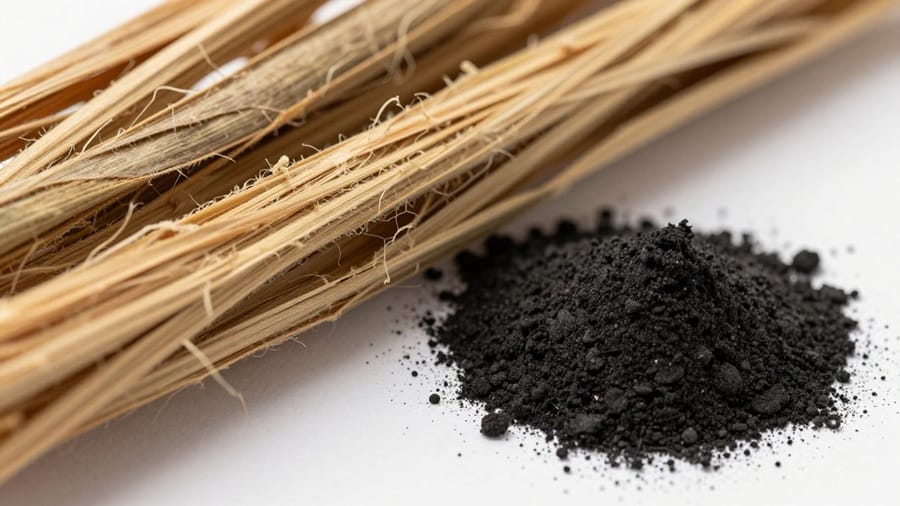
So, you’ve heard about graphene, right? That super-material everyone’s buzzing about. But what if I told you we could make something similar, not from some fancy lab equipment, but from something as common as hemp stalks? It sounds a bit wild, but researchers are actually figuring out how to do just that. This article is all about exploring how to make graphene from hemp stalks, looking at the science behind it, why it’s a big deal, and what it could mean for the future. Let’s get into it.
Key Takeaways
- Hemp stalks have a unique structure, particularly their lignin content, making them a good starting point for creating graphene-like materials.
- Simple, low-cost chemical methods can be used to break down hemp stalks into nanosheets that resemble graphene.
- These hemp-derived materials show promise for applications like supercapacitors, potentially leading to better energy storage devices.
- Using hemp offers environmental benefits like sustainable sourcing and waste reduction, plus it’s often cheaper than traditional graphene production.
- Challenges remain in scaling up production and further improving the energy storage capabilities of these new materials.
Understanding Hemp As A Graphene Precursor
So, you want to make graphene from hemp? That’s pretty cool! But before we get into the how-to, let’s talk about why hemp is even a good candidate for this. It’s not just some random plant we picked; hemp has some unique qualities that make it suitable for turning into advanced materials like graphene.
Hemp’s Unique Cellular Structure
Hemp stalks aren’t just hollow tubes. They’re made up of complex layers of cells. The key part for us is the fibrous material, often called bast fiber, which is on the outside of the stalk. This fiber is mostly made up of cellulose and lignin. Think of it like the plant’s structural support system. This structure is what we’re interested in because it contains the carbon building blocks we need. The way these carbon atoms are arranged within the hemp’s cellular makeup is a big part of why it can be transformed into something like graphene.
The Lignin Component
Lignin is a really interesting part of plant cell walls. It’s a complex polymer that gives plants their rigidity. In the context of making graphene from hemp, lignin is super important. It’s a rich source of carbon. When you apply specific chemical or thermal treatments, the lignin can be broken down and rearranged. This is a major step in the process of getting graphene from hemp. It’s not just about having carbon; it’s about having it in a form that can be manipulated into those thin, sheet-like structures characteristic of graphene.
Comparison to Other Plant Fibers
Hemp isn’t the only plant fiber out there, of course. Things like wood, cotton, and other agricultural waste can also be sources of carbon. However, hemp stands out. For starters, it grows really fast and doesn’t need a lot of pesticides or fertilizers, making it a more sustainable choice. Plus, its fiber structure and high lignin content seem to lend themselves well to the conversion process. While other fibers might work, hemp offers a good balance of availability, sustainability, and suitability for creating these carbon nanomaterials. Some research even suggests that hemp fibers have impressive mechanical strength, making them a solid choice for various applications [db87].
The natural structure of hemp, particularly its high lignin content and fibrous composition, provides a readily available carbon source. This makes it a promising and eco-friendly alternative for producing graphene-like materials compared to traditional, more energy-intensive methods.
The Chemical Transformation Process
So, how do we actually get graphene from hemp stalks? It’s not as simple as just grinding them up, but the methods are surprisingly accessible, especially when compared to traditional graphene production. The key is to break down the complex structure of the hemp stalk and isolate the carbon atoms in a way that resembles graphene’s sheet-like form.
Low-Cost Chemical Methods
Researchers have found that certain chemical treatments can effectively break down the hemp fibers. These methods often involve using common chemicals to remove non-carbon components like lignin and cellulose. The goal is to get to a carbon-rich material that can then be further processed. This approach is attractive because it avoids the high temperatures and expensive equipment needed for other graphene manufacturing techniques. Think of it like a chemical recipe designed to peel away the unnecessary parts of the plant, leaving behind the carbon structure we’re after. Some studies even look at using milder chemical processes, making it more environmentally friendly.
Separating into Nanosheets
Once you have a carbonized material from the hemp, the next step is to separate it into thin layers, or nanosheets. This is where the magic happens, turning a bulk material into something with graphene-like properties. Various techniques can be employed here, often involving further chemical or physical exfoliation. The idea is to gently peel apart the layers of carbon. It’s a bit like separating the pages of a book without tearing them. The resulting material, while not always a perfect single-layer graphene, often exhibits many of its desirable characteristics. Researchers are exploring ways to get these sheets as thin as possible, aiming for structures similar to cellulose nanocrystals derived from similar plant materials.
Achieving Graphene-Like Properties
After the separation process, the resulting carbon nanosheets are analyzed to see how well they perform. While they might not be identical to graphene made from graphite, they can possess remarkable electrical and mechanical properties. These properties depend heavily on the specific chemical treatments and separation methods used. The thickness of the sheets, the number of layers, and the presence of any remaining impurities all play a role. The aim is to create a material that can conduct electricity well and is very strong, much like true graphene. This allows us to explore its use in various applications, from electronics to energy storage.
The transformation of hemp into graphene-like materials is a fascinating example of how agricultural byproducts can be repurposed. It highlights a shift towards sustainable material science, where waste streams become valuable resources for advanced technologies.
Applications of Hemp-Derived Graphene
So, what can we actually do with this hemp-based graphene? It turns out, quite a lot, especially when it comes to storing energy.
Supercapacitor Development
One of the most exciting areas is in making supercapacitors. Think of these as super-fast batteries. They can charge and discharge electricity way quicker than regular batteries. Researchers have found that graphene-like materials made from hemp stalks work really well in these devices. The unique structure of hemp allows it to be transformed into nanosheets that are great at holding electrical charge. This means we could see supercapacitors that are more powerful and efficient than what’s available today. It’s a big step towards better energy storage solutions.
Enhanced Power Density
When we talk about power density, we’re basically talking about how much power a device can deliver in a short amount of time. Supercapacitors made from hemp-derived graphene have shown impressive results here. They can pack a punch, providing quick bursts of energy when needed. This is super useful for things that need a lot of power all at once, like electric vehicles or certain electronic gadgets. It’s a significant improvement over many existing technologies.
Potential for Energy Storage Devices
Beyond just supercapacitors, this hemp material has broader potential for energy storage. Imagine devices that can store more energy, charge faster, and last longer, all while being made from a sustainable source. This could change the game for everything from portable electronics to grid-scale energy storage. The ability to turn agricultural waste into high-performance materials is a win-win. It’s a promising avenue for developing the next generation of energy storage systems, potentially using waste fibers from hemp crops.
The transformation of hemp into graphene-like materials opens up new possibilities for creating advanced energy storage devices. This approach not only utilizes a renewable resource but also offers a pathway to high-performance applications that were previously dominated by more expensive or less sustainable alternatives.
Environmental and Economic Advantages
When we talk about making graphene from hemp stalks, it’s not just about a cool new material. It’s also about doing things in a way that’s better for the planet and makes economic sense. Hemp is a pretty amazing plant, and using its waste products to create high-value materials like graphene has some serious upsides.
Sustainable Material Sourcing
Hemp is a champion when it comes to sustainability. It grows fast, doesn’t need a lot of pesticides or fertilizers, and actually helps improve the soil it’s grown on. Plus, it pulls a good amount of carbon dioxide out of the air while it’s growing. This makes hemp a fantastic renewable resource, especially when you consider that the stalks are often a byproduct of other hemp industries. Unlike some other crops that can deplete the soil, hemp can actually leave it in better shape for future planting. It’s a plant that gives back, which is a big deal for creating a circular economy.
Cost-Effectiveness Compared to Traditional Graphene
Making graphene the old-fashioned way, from petroleum or coal, can be pretty expensive and energy-intensive. Hemp offers a different path. By using the leftover stalks from hemp farming, we’re turning waste into something valuable. This process can be significantly cheaper than traditional methods. Think about it: instead of mining or drilling for raw materials, we’re using an agricultural byproduct. This lower cost of raw materials, combined with potentially less energy-intensive processing, could make graphene-derived materials much more accessible for a wider range of applications. It’s a way to get the benefits of graphene without the hefty price tag.
Reducing Waste from Hemp Crops
Farming hemp produces a lot of biomass, and not all of it is used for things like CBD or textiles. The stalks, in particular, are often considered waste. Turning these stalks into graphene is a brilliant way to reduce that waste. Instead of ending up in a landfill or being burned, these fibers get a second life. This not only cuts down on agricultural waste but also adds economic value to the entire hemp crop. It’s a win-win: less waste going into the environment and more value extracted from the plant. This approach aligns perfectly with the goals of a sustainable agricultural system, making the most out of every part of the plant.
The ability to transform agricultural byproducts into advanced materials like graphene represents a significant shift towards a more resource-efficient future. It highlights how innovation can address environmental concerns while simultaneously creating economic opportunities, moving away from linear ‘take-make-dispose’ models towards regenerative practices.
Challenges and Future Directions
So, we’ve talked about how cool hemp-derived graphene is, but let’s be real, it’s not all smooth sailing just yet. There are definitely some bumps in the road we need to smooth out before this stuff is everywhere.
Scaling Up Production
One of the biggest hurdles is just making enough of it. Right now, the methods for turning hemp into graphene are mostly done in labs. We need to figure out how to do this on a much bigger scale, affordably and consistently. It’s one thing to make a few grams in a beaker, but it’s another to produce tons for industrial use. This involves refining the chemical processes and making sure the equipment can handle the volume. It’s a tricky problem, and finding solutions is key to making hemp graphene a real contender in the materials market. The current production challenges are a major roadblock to widespread adoption [d46b].
Improving Energy Density
While hemp graphene is showing promise in things like supercapacitors, we’re still looking to push the performance envelope. For energy storage devices, higher energy density means they can hold more power. We need to keep tweaking the material’s structure and how it’s integrated into devices to get the most bang for our buck. This might involve exploring different ways to process the hemp fibers or combining the graphene with other materials to create hybrid systems.
Exploring Other Plant-Based Sources
Hemp is great, but it’s not the only plant out there with potential. Researchers are looking into other fibrous plants that might also be good sources for graphene-like materials. Think about things like agricultural waste or other fast-growing crops. The goal is to find a whole family of sustainable, plant-based precursors for carbon nanomaterials. This diversification could make the whole field more robust and less reliant on a single source. It’s all about finding new ways to turn what we have into something useful.
The journey from a humble hemp stalk to advanced graphene is exciting, but it requires significant innovation in manufacturing. Overcoming the current limitations in production volume and cost-effectiveness is paramount. Continued research into optimizing chemical treatments and exploring novel processing techniques will be vital for unlocking the full potential of this sustainable material. The focus needs to be on practical, scalable solutions that can compete with existing technologies.
Here’s a quick look at what needs work:
- Production Volume: Moving from lab-scale to industrial-scale manufacturing.
- Cost Reduction: Making the process economically viable for widespread use.
- Performance Optimization: Enhancing properties like energy density for specific applications.
- Process Standardization: Developing consistent methods for reliable results.
- Environmental Impact Assessment: Ensuring the entire lifecycle is truly sustainable.
So, What’s the Takeaway?
So, there you have it. Turning hemp stalks into something like graphene might sound a bit out there, but it’s actually happening. It shows that we can take materials we might otherwise toss aside and find new, pretty cool uses for them. It’s not just about making advanced materials; it’s about finding smarter, more sustainable ways to do things. Who knows what else we’ll figure out we can make from plants in the future? It’s definitely something to keep an eye on.
Frequently Asked Questions
What makes hemp stalks good for making graphene?
Hemp stalks have a special structure inside their cells, kind of like tiny building blocks. One of these blocks is called lignin. When scientists treat hemp stalks in a certain way, these blocks can separate and form thin sheets that are very similar to graphene.
Is making graphene from hemp complicated?
Scientists have found ways to make graphene from hemp using simple and cheap chemical methods. It’s not as difficult as you might think. They can separate the hemp material into tiny sheets, and these sheets can have properties like graphene.
What can this hemp-based graphene be used for?
One exciting use is in making supercapacitors. These are like batteries that can give a quick burst of energy. Supercapacitors made with hemp sheets can provide more power than ones made with regular materials, which is great for energy storage devices.
Are there good things about using hemp for graphene?
Yes, definitely! Hemp is a sustainable plant that grows easily. Using it for graphene is cheaper than using other methods and helps reduce waste from hemp crops. It’s a win-win for the environment and for making new materials.
Is it easy to make a lot of graphene from hemp?
Making graphene from hemp is still a developing field. One of the challenges is figuring out how to make large amounts of it, or ‘scaling up production.’ Scientists are also working on making these materials even better for storing energy.
Can other plant materials be used to make graphene-like materials?
Researchers are exploring this idea! Since hemp has a unique structure, other plants with similar components might also be used to create these advanced carbon materials. It opens up possibilities for using different natural resources.