

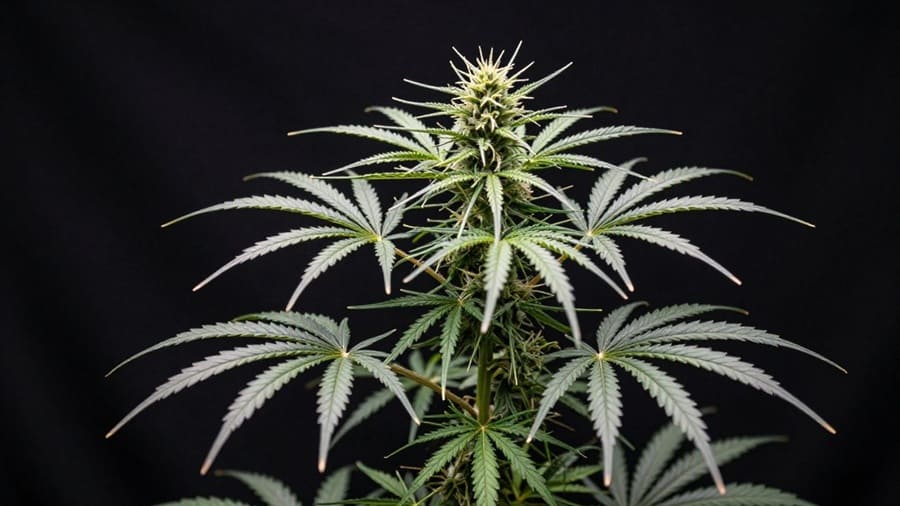
So, you’ve noticed your weed plant is looking a bit like a beanstalk, all tall and skinny? It’s a common sight for many growers, especially when you’re just starting out. This ‘stretching’ can be a bit concerning because it often means your plant isn’t growing as strong or as bushy as it could be, which might affect your final harvest. But don’t worry, there are usually pretty straightforward reasons why this happens, and thankfully, ways to fix it. Let’s figure out why my weed plant is growing tall and skinny and what you can do about it.
Key Takeaways
- Plants stretch tall and skinny primarily because they’re reaching for more light, often due to lights being too far away or not intense enough.
- The length of the vegetative stage plays a big role; keeping plants in this phase too long encourages them to grow taller.
- Environmental factors like temperature, humidity, and air circulation can influence stem growth and overall plant structure.
- Genetics matter – some strains are naturally more prone to growing tall and lanky than others.
- Techniques like Low-Stress Training (LST) and choosing the right strain can help encourage bushier, more manageable growth.
Understanding Why Weed Plants Grow Tall and Skinny
So, you’ve noticed your weed plant is growing tall and skinny, huh? It’s a pretty common sight, especially for folks just starting out or trying new setups. This phenomenon, often called ‘stretching,’ is basically the plant’s way of trying to get more light. Think of it like a seedling reaching for the sun. When a plant stretches excessively, it’s usually a sign that something in its environment isn’t quite right.
The Phenomenon of Stretching in Cannabis
Stretching happens when a cannabis plant prioritizes vertical growth over developing a strong, bushy structure. It’s a natural response, but when it goes too far, you end up with a lanky plant. This is most noticeable during the vegetative stage, but some strains, particularly Sativas, can continue to stretch even into the early flowering phase. It’s like the plant is saying, “I need more light, and I’m going to grow taller to get it!”
Consequences of Excessive Plant Height
While a little stretch is normal, too much can cause a few problems. For starters, those tall, skinny stems aren’t very strong. They can easily fall over or even break, especially when they start packing on bud weight. This means you might need to think about support for your plants. Plus, a plant focused on just getting taller might not be putting its energy into developing dense buds or a robust root system. It can also lead to issues with nutrient distribution and increase the risk of light burn if the plant gets too close to your grow lights.
Identifying the Core Problem
Figuring out why your weed plant is tall and skinny boils down to a few key areas. It’s usually a combination of factors related to your lighting, the environment, and even the genetics of the plant itself. We’ll break down these common culprits so you can get your plants growing the way you want them to – nice and bushy, not like a beanstalk. Understanding these issues is the first step to fixing them and getting a better harvest.
Lighting Issues Causing Unwanted Height
Alright, let’s talk about lights. If your weed plants are shooting up like they’re trying to escape the pot, your lighting setup might be the culprit. It’s a pretty common issue, especially for folks just starting out.
Insufficient Light Intensity
Think of your plant like a little solar-powered machine. If the power source – your light – isn’t strong enough, the plant gets confused. It doesn’t know if the light is just weak or if it’s really far away. Its natural response? Stretch. It tries to grow taller, hoping to find more light. This is especially true if you’re using older or less powerful bulbs. You want a light that provides enough intensity for the plant to thrive, not just survive. Too little light means the plant puts all its energy into reaching, rather than growing out and bushy.
Improper Light Placement
This is a big one. If your lights are too far away, the plant will stretch to reach them. It’s like dangling a treat just out of reach – they’ll strain to get it. A good rule of thumb is to keep your hand under the light; if it feels too hot for you, it’s likely too hot for your plant. Also, consider how the light hits the plant. If it’s only coming from directly above, the sides of the plant might not get enough light. This encourages the plant to grow upwards, away from the shadows. Sometimes, using reflective materials around your grow space can help bounce light back onto the plant, giving it more even exposure. This can make a big difference in how the plant develops its structure.
The Role of Light Spectrum
Did you know the color of your light matters? Different light spectrums can influence how your plant grows. For instance, lights with more blue spectrum tend to encourage shorter, bushier growth, which is great for keeping plants compact. On the other hand, lights with a lot of red or orange spectrum can sometimes encourage more stretching. When you’re in the vegetative stage, using lights that promote sturdy, compact growth is usually best. Many growers find that metal halide lamps are a good choice during this phase because they emit a spectrum that helps keep plants from getting too tall. It’s all about giving the plant the right signals to grow the way you want it to. If you’re looking for specific types of lights, you might want to check out what’s available from local cannabis businesses.
Environmental Factors Influencing Plant Structure
Sometimes, your weed plant’s height isn’t just about the lights. The environment you set up plays a pretty big role too. Think about it like this: if you were stuck in a room with no fresh air and the temperature was all wrong, you wouldn’t be at your best, right? Plants are kind of the same way.
Extended Vegetative Stage
One of the main environmental culprits for a tall, skinny plant is keeping it in the vegetative stage for too long. This is the growth phase where plants focus on getting bigger and bushier, building up their structure before they start thinking about making flowers. If you let this stage drag on, especially with certain strains, they’ll just keep stretching upwards, looking for more space and light that might not even be there. It’s like letting a kid grow without giving them any direction – they just get longer.
Temperature and Humidity Levels
Temperature and humidity are super important for how your plant grows. Extreme temperatures, whether too hot or too cold, can stress your plant and cause it to stretch. If it gets too warm, especially above 80°F (27°C), plants tend to stretch out their stems and buds, trying to get away from the heat. On the flip side, if it’s too cool, growth can slow down, but some plants might still try to reach for warmth. Humidity also plays a part; high humidity can sometimes encourage taller, weaker growth because the plant doesn’t need to work as hard to pull water up. Getting these levels right is key for sturdy growth. For optimal bud development, keeping the temperature between 70-85°F (20-30°C) is a good target [f86a].
Air Circulation’s Impact
Don’t underestimate the power of a good breeze! Proper air circulation is vital for making your plant’s stems and leaves thicker and stronger. When air moves around your plants, it gently bends and jostles them. This movement, almost like a gentle wind, helps to strengthen the stem tissue and encourages broader growth rather than just straight up. Without enough airflow, plants can become weak and lanky, making them more prone to falling over or breaking. It’s like exercising – the resistance helps build strength.
The environment you create for your plants is more than just a place to grow; it’s an active participant in shaping their structure. Paying attention to how long they veg, the temperature and humidity, and how well the air moves can make a huge difference between a plant that’s a sturdy, bushy powerhouse and one that’s just a tall, weak stick.
Genetics and Plant Spacing Considerations
Sometimes, the reason your weed plant is reaching for the sky like it’s trying to escape is simply in its DNA. Not all cannabis strains are created equal when it comes to their natural growth habits.
Strain Predispositions to Height
Certain strains, particularly many of the pure Sativa landraces, are genetically programmed to grow tall and lanky. They evolved in environments where stretching was an advantage, allowing them to reach sunlight above other vegetation. Think of them as nature’s skyscrapers. On the flip side, Indica strains and many hybrids tend to be naturally more compact and bushy. If you’re aiming for a shorter, denser plant, understanding these genetic tendencies is your first step. It’s like picking the right tool for the job; you wouldn’t use a hammer to screw in a bolt, right?
The Shade Avoidance Response
Even if you’ve picked a strain that’s typically shorter, how you space your plants can trick them into stretching. This is known as the Shade Avoidance Response (SAR). When plants are packed too closely together, they perceive the surrounding plants as competition for light. Their instinct kicks in, and they start growing taller, trying to get above their neighbors and into more direct light. It’s a survival mechanism, but it’s not ideal for a grower looking for dense buds. Giving your plants adequate breathing room is key here. A good rule of thumb is to ensure at least six inches of space between the main branches of neighboring plants. This allows for better light penetration to all parts of the plant and encourages outward growth rather than upward stretching.
Choosing the Right Genetics
So, how do you pick the right seeds to avoid this leggy situation? Look for strains explicitly described as indica-dominant or autoflowering. Autoflowers, in particular, are often bred for their compact size and faster life cycles, making them less prone to excessive stretching. Some popular indica strains known for their shorter stature include Critical Kush or Royal Dwarf. If you’re unsure, do a little research on the specific strain you’re interested in. Reputable seed banks and growers’ forums are great places to find information about a strain’s typical growth pattern. Remember, starting with the right genetics can save you a lot of hassle down the line and is a big part of cultivating a robust plant, as discussed in Fat Nugs Magazine.
When plants are too close, they can trigger a ‘shade avoidance response,’ causing them to stretch upwards in a bid to escape the perceived shade from their neighbors. This is a natural plant behavior, but it’s often counterproductive for growers aiming for a bushy canopy.
Strategies to Encourage Bushy Growth
So, your cannabis plant is looking a bit like a beanstalk, huh? Don’t sweat it. There are definitely ways to get it to chill out and spread its branches instead of just reaching for the sky. It’s all about guiding its growth, and thankfully, there are some pretty straightforward methods.
Implementing Low-Stress Training (LST)
This is one of the gentler ways to shape your plant. Think of it as coaxing your plant to grow horizontally rather than vertically. You’re basically bending the main stem and branches over and securing them, usually with ties or clips, so they grow outwards. This opens up the plant, letting light and air reach more areas, which can lead to more bud sites and a fuller plant. It’s a patient game, but it pays off. You’re not really damaging the plant, just encouraging it to take a different path. It’s a great way to manage height without causing too much stress.
Utilizing Netting for Support
Netting, often called a trellis net, is another popular technique. You set up a net, usually a grid pattern, above your plants. As the branches grow upwards, you gently tuck them through the holes in the net. This spreads the plant out horizontally, creating a more even canopy. It’s super helpful for managing height and also provides support for the weight of the buds later on. Plus, it helps ensure that light can get to all parts of the plant, not just the top. You can buy these nets or even make your own if you’re feeling crafty. It’s a solid way to keep things contained and productive.
Selecting Shorter Strains
Sometimes, the easiest fix is to start with the right genetics. If you’re consistently battling tall, lanky plants, you might be growing strains that are naturally predisposed to stretching. Sticking to indica-dominant strains or autoflowering varieties often means you’ll end up with shorter, bushier plants right from the get-go. It’s like choosing a compact car over a minivan if you know you’ll be parking in tight spots. Doing a little research on strain characteristics before you buy seeds can save you a lot of hassle down the line. You can find some great options that are known for their compact structure and heavy yields without the sky-high growth.
Wrapping It Up: Taming the Tall and Skinny
So, we’ve talked about why your weed plants might be getting a little too lanky. It usually comes down to a few things: not enough light, the wrong kind of light, keeping them in the growing phase for too long, or sometimes, it’s just how the plant is built. The good news is, most of these issues are pretty fixable. By paying attention to your lights, giving them the right amount of time to grow before flowering, and maybe even picking strains that naturally stay shorter, you can get those nice, bushy plants that give you a better yield. It’s all about giving them what they need to grow out, not just up.
Frequently Asked Questions
Why is my weed plant growing super tall and thin?
This usually happens when your plant is trying to reach for more light. If the light source is too far away or not strong enough, the plant stretches its stem upwards, looking for that light. It’s like it’s playing a game of ‘the floor is lava’ with the sun!
What’s so bad about a tall, skinny weed plant?
Tall, skinny plants can be weak. Their stems might not be strong enough to hold up heavy buds later on, and they can even fall over! Plus, they might not produce as much bud, and they can sometimes get too close to the lights and get burned.
How does the type of light affect my plant’s height?
The color of the light matters! Blue light helps plants grow short and bushy, which is great. But if your light has a lot of red or orange light, it can make the plant stretch out more, like it’s getting ready for a growth spurt.
Can the time I spend in the ‘growing’ phase make my plant tall?
Yes! The vegetative stage is when plants focus on growing bigger. If you keep your plant in this stage for too long, especially indoors where the ‘day’ never gets shorter, it can just keep stretching and stretching, thinking it needs to get taller.
Does the kind of weed strain I choose make a difference?
Absolutely! Some types of cannabis, especially Sativas, are naturally bred to grow tall and lanky. If you have limited space, it’s better to choose Indica or hybrid strains that tend to stay shorter and bushier.
How can I make my weed plant grow wider instead of taller?
You can try ‘Low-Stress Training’ (LST), which is like gently bending and tying down the branches to encourage sideways growth. Using a net to spread out the branches can also help. And, of course, making sure your lights are close enough and strong enough is key!